Let's get straight to the point. If you're reading this, you or someone you love has allergies, and you're desperately hoping the charming, elfin Devon Rex is the magical "hypoallergenic" solution. I've been around cats, breeders, and allergy sufferers for years, and I'm here to give you the unvarnished truth, not the fluffy marketing. The short answer is: yes, Devon Rex cats are often a fantastic choice for mild to moderate allergy sufferers, but calling any cat 100% hypoallergenic is a dangerous myth. Success depends less on the cat's genetics alone and more on a proactive management plan you commit to.
What You'll Find in This Guide
The Real Science Behind "Hypoallergenic" Cats
First, we need to bust the biggest misconception. People aren't allergic to cat hair. They're allergic to a protein called Fel d 1, produced primarily in cat saliva and sebaceous (skin oil) glands. When a cat grooms itself, the saliva—loaded with Fel d 1—dries on its fur and becomes airborne as dander (dead skin flakes). This is what triggers sneezing, itchy eyes, and asthma.
So, a "hypoallergenic" cat isn't allergen-free. It's a cat that may produce less of the Fel d 1 protein or, more commonly, shed less of the allergen-coated material into your environment. This is where breed characteristics like the Devon Rex's unique coat come into play.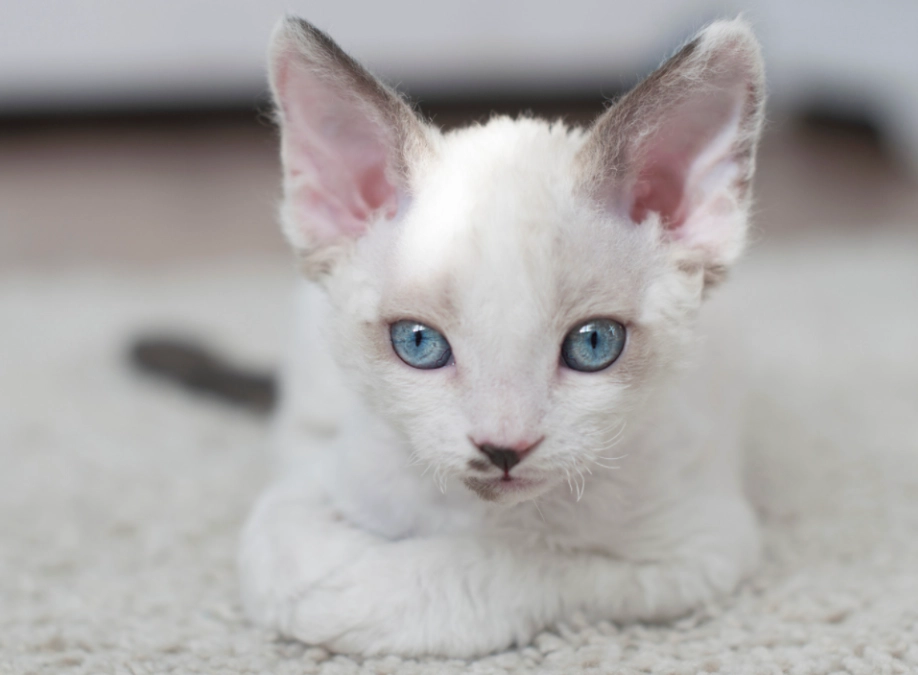
Why the Devon Rex Coat Makes a Difference
The Devon Rex's most famous feature is its coat: short, wavy, and incredibly soft, often described as "suede-like" or "crinkled." This isn't just for looks. It's the core of their allergy-friendly reputation.
- Minimal Shedding: Unlike double-coated breeds that shed clouds of underfur, Devon Rex cats have a single, thin coat with very little undercoat. They lose far less hair, which means less allergen-coated dander floating around your house. You won't find tumbleweeds of fur under your sofa.
- Different Hair Structure: Their hair is finer and more sparse. Some people mistakenly think they're almost hairless, but they're fully coated—it's just a different kind of coat that traps and releases less dander.
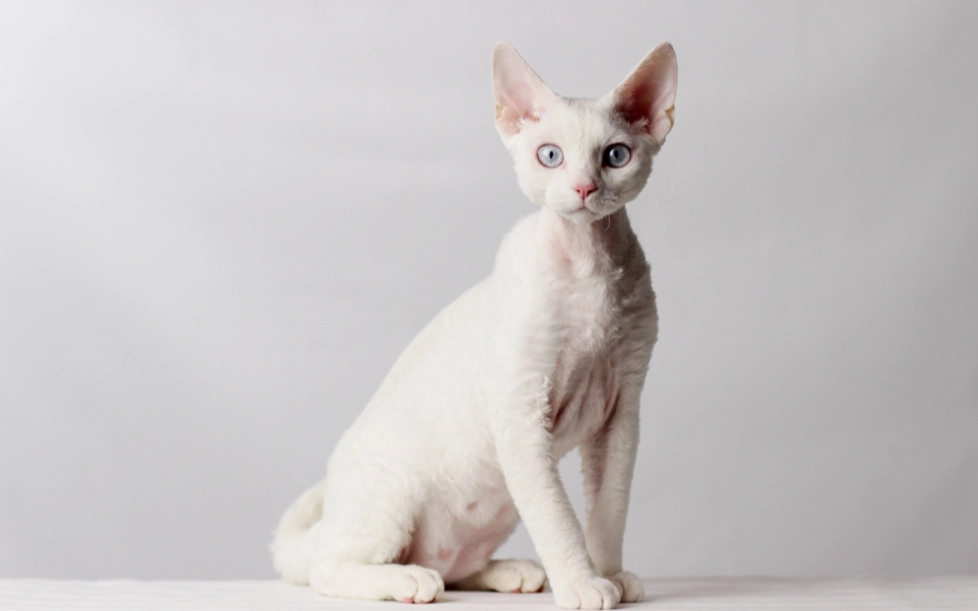
But here's the expert nuance most articles miss: the Devon Rex's skin can be a double-edged sword. They have active sebaceous glands. That means their skin can get oily, which helps create that soft feel but also means the Fel d 1 protein in their skin oils needs regular management. A dirty Devon Rex can actually become more problematic than a clean, high-shedding cat.
| Factor | How It Affects Allergies | Devon Rex Reality |
|---|---|---|
| Shedding Volume | Less shed hair = less airborne dander. | Very Low. A major plus. |
| Fel d 1 Production | Varies by individual cat, not just breed. | Not proven to be genetically lower. Still present in saliva/skin. |
| Grooming Frequency | More grooming = more saliva on fur. | They groom like any cat. You can't stop this. |
| Skin Oil (Sebum) | Carries Fel d 1. Can build up. | Can be high. Requires regular bathing/wiping. |
Your Essential Allergy Management Plan
Owning a Devon Rex as an allergy sufferer isn't a passive act. It's an active partnership. Here's the non-negotiable routine that makes cohabitation successful, based on conversations with breeders and allergists.
1. The Bathing Routine (Yes, Really)
This is the most critical step most new owners shy away from. Bathing your Devon Rex every 4-6 weeks with a gentle, hypoallergenic pet shampoo washes away the allergen-laden oils and dander directly from the source. It's not as hard as it sounds—many Devon Rex cats enjoy water. Start young. If full baths are impossible, use pet-safe hypoallergenic wipes weekly.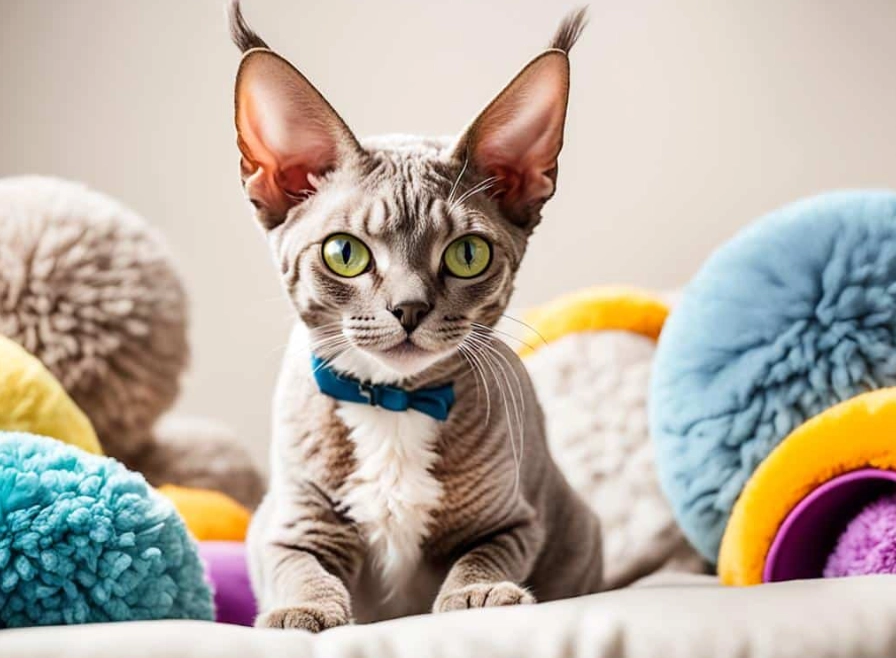
2. Environmental Control is King
You must attack allergens in your home.
- HEPA Air Purifier: Run one in the bedroom (a cat-free zone, ideally) and main living area. This captures airborne dander. The Asthma and Allergy Foundation of America recommends them.
- Frequent Vacuuming: Use a vacuum with a HEPA filter, at least twice a week. Focus on carpets, upholstery, and cat beds.
- Washable Everything: Use washable covers on sofas and the cat's bed. Wash them, and your own bedding, in hot water weekly.
3. Create Safe Zones
Your bedroom should be a sanctuary. Keeping the cat out of this one room gives your immune system 8 hours of rest each night. It makes a monumental difference in symptom management.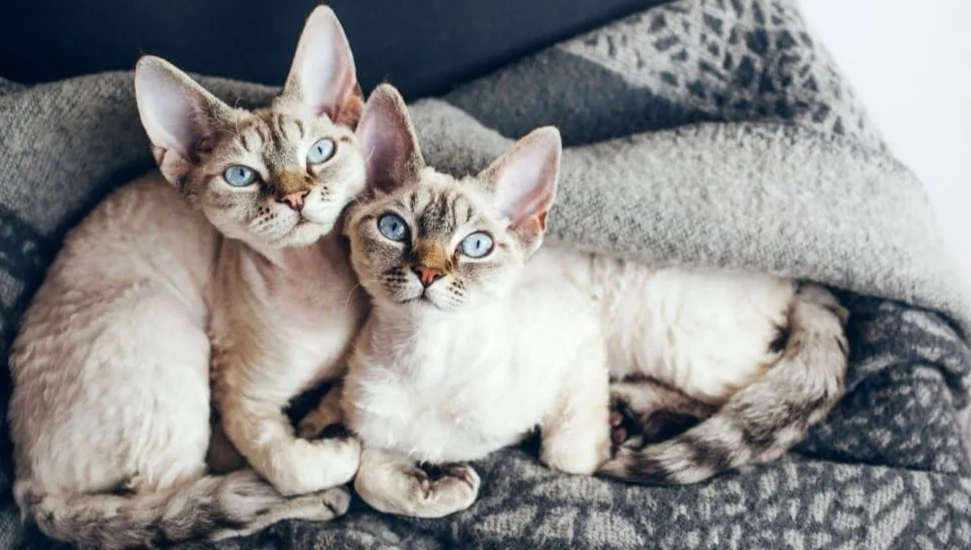
Beyond Allergies: Devon Rex Care & Personality
Choosing a cat based solely on allergies is a mistake. You need to love the whole package. The Devon Rex is a high-engagement pet.
Personality: They are often called "monkeys in cat suits" for a reason. They are incredibly social, mischievous, and dog-like. They follow you, want to be involved in everything, and are known for learning tricks. They hate being alone for long periods. If you want an aloof, independent cat, look elsewhere.
Care Specifics: Their large ears need gentle weekly cleaning to prevent wax buildup. Their fine coat means they get cold easily—you'll often find them under blankets or on heat vents. They have hearty appetites and need high-quality food to support their energy levels. Reputable breeders, like those registered with The Cat Fanciers' Association (CFA) or The International Cat Association (TICA), will screen for genetic conditions like hypertrophic cardiomyopathy (HCM).
Your Decision & Frequently Asked Questions
Let's tackle the specific, gritty questions allergy sufferers actually have.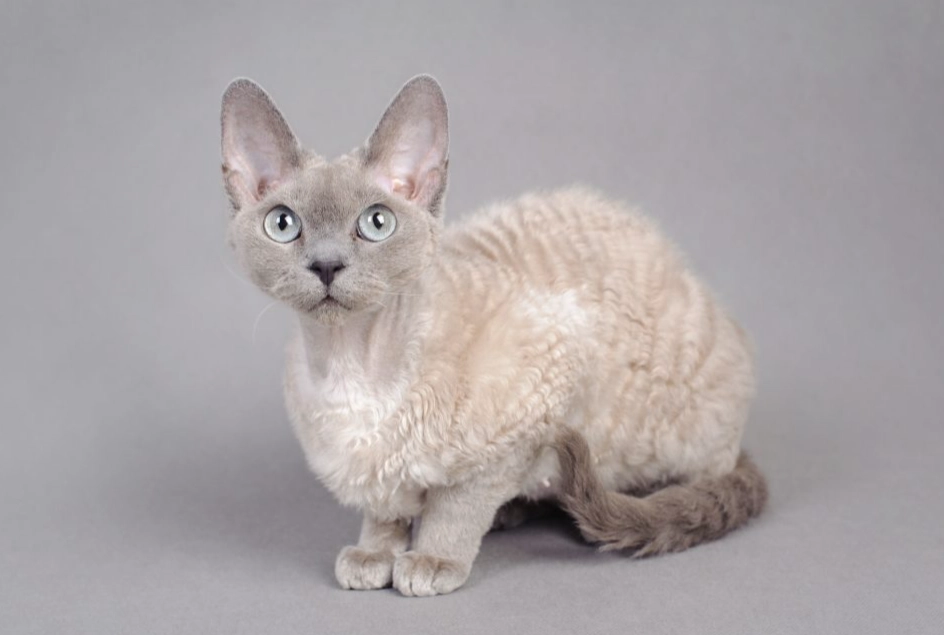
Final thoughts? The Devon Rex is a wonderful, quirky companion that can open the door to cat ownership for many allergy sufferers. But go in with your eyes open. It's not a cure; it's a compromise that requires work. Visit breeders, meet the cats, and be brutally honest about your allergy severity and your willingness to stick to a cleaning and grooming regimen. If you do, you might just gain a hilarious, loving, and relatively sneeze-free friend for life.