You see a photo of a Sphynx cat—those huge ears, those inquisitive eyes, that wrinkled, velvety skin. You fall in love. Then you look up the price. $1,500? $2,500? Sometimes even more. The sticker shock is real. It's easy to think, "It's just a cat without fur, how hard can it be?" I thought the same thing before I got into the world of responsible cat breeding. The truth is, that high initial cost is just the tip of the iceberg. It's a direct reflection of everything that goes into producing a healthy, well-socialized Sphynx, and the significant, ongoing commitment required to care for one.
Quick Navigation: What Drives the Cost?
The Foundation: Ethical Breeding Isn't Cheap
Let's start where the cat's life begins: with the breeder. A reputable Sphynx breeder isn't running a factory. They're conducting a slow, careful, and incredibly expensive genetic stewardship program. The price you pay upfront subsidizes this entire ethical operation.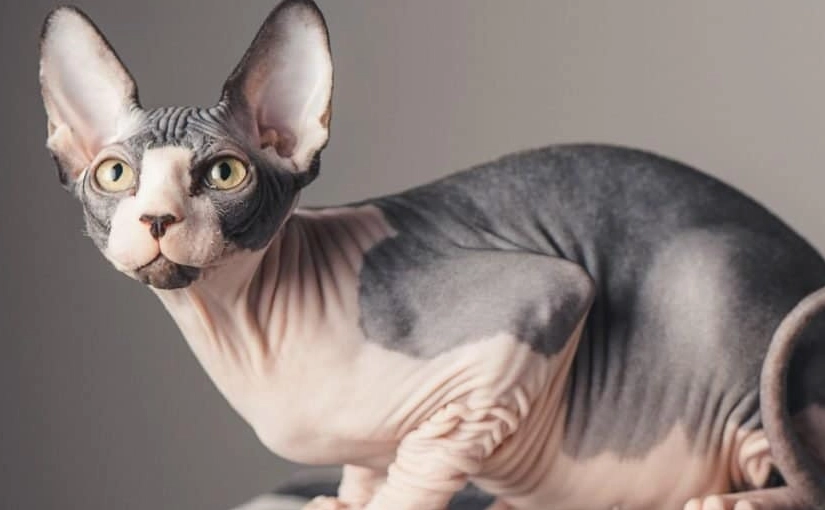
Genetics and Bloodline Costs
First, acquiring quality breeding stock. A show-quality Sphynx with champion bloodlines, imported from established lines in Europe or from top catteries in the US, can cost a breeder $2,000 to $5,000 or more per cat. They aren't buying one. They need a diverse gene pool to avoid health issues. That's tens of thousands of dollars sitting in their living room before a single kitten is born.
The Breeding Process Itself
Sphynx cats don't have large litters. An average is 4-5 kittens, but it's often smaller. The breeding is meticulously planned. A friend who breeds Sphynx told me about the costs of progesterone testing to pinpoint the exact ovulation time, AI (artificial insemination) kits when natural mating isn't successful, and round-the-clock monitoring during birth. This isn't just putting two cats together and hoping for the best.
A common misconception: People often assume the high price is pure profit. In reality, a huge chunk goes right back into the cats. After covering the costs below, a responsible breeder's "profit" per kitten is often modest, considering the 24/7 work involved. They do it for love of the breed, not to get rich.
The Health Investment: More Than Vet Checks
This is the non-negotiable pillar. The hairless gene brings with it some breed-specific concerns. A good breeder's job is to screen for and breed away from these problems, which is astronomically costly.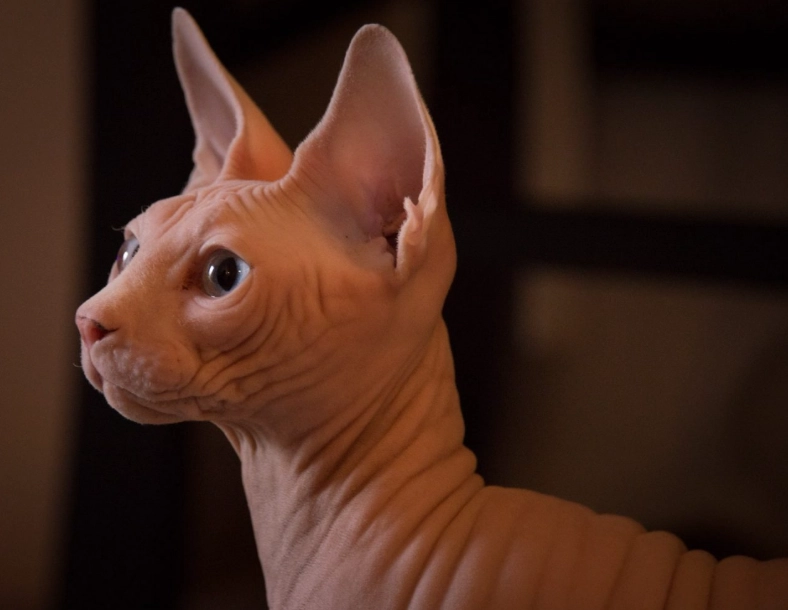
- HCM Screening: Hypertrophic Cardiomyopathy is a serious heart condition. Reputable breeders test all their breeding cats annually via echocardiogram (a heart ultrasound), not just a stethoscope check. Each scan can cost $300-$600 per cat. Results are often shared with databases like the Cornell University Feline Health Center to advance breed health.
- Genetic Testing: Panels for hereditary myopathy, blood type, and other markers are standard. This is another few hundred dollars per cat.
- Kitten Vet Care: From birth to departure, kittens get multiple vet visits: deworming, vaccinations (often an extended series for vulnerable hairless kittens), microchipping, and a full pre-departure health exam. For a litter of four, this can easily exceed $1,000.
If a breeder isn't openly discussing HCM testing and showing you paperwork, that's a major red flag. The low price tag likely means these crucial health investments were skipped.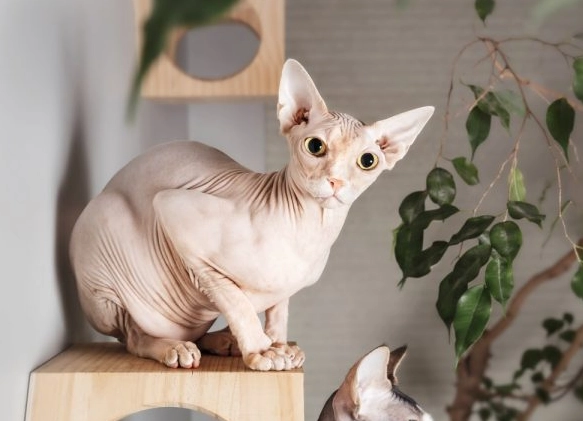
The Upkeep Reality: They're Not Low-Maintenance
Here’s where potential owners often miscalculate. The purchase price is one thing. The cost of owning a Sphynx is a whole other ongoing budget line. Their lack of fur changes everything.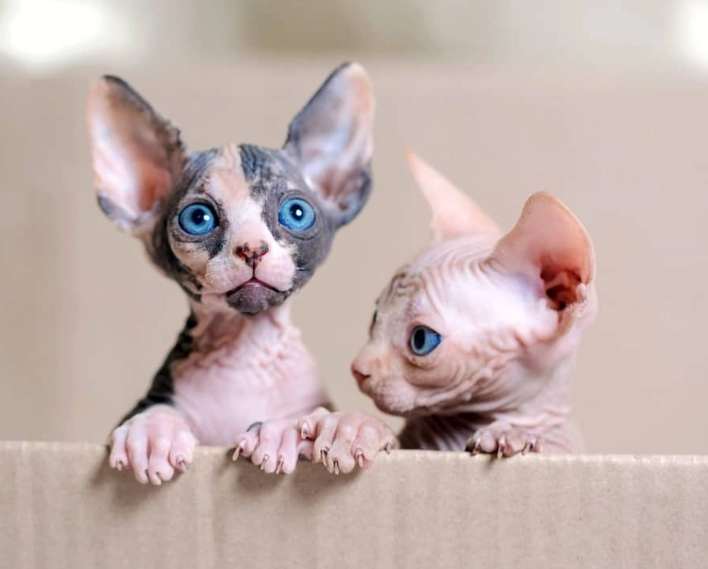
Routine Care Costs More
Without fur to absorb oils, Sphynx cats need weekly baths to prevent greasy buildup and skin infections. You need specific, gentle shampoos. Their large ears accumulate wax quickly, requiring weekly cleaning. Their nails need trimming more often because there's no fur to blunt them. These aren't optional spa treatments; they're necessities for health.
Environmental Control is Key
They get cold. Easily. You'll run your heater more in winter, or invest in cat sweaters and heated beds. In summer, they can get sunburned, so you need pet-safe sunscreen if they have outdoor access (like a catio). Their metabolism is high to stay warm, so they eat a lot of high-quality food. A cheap, low-nutrition diet will show up immediately in poor skin condition.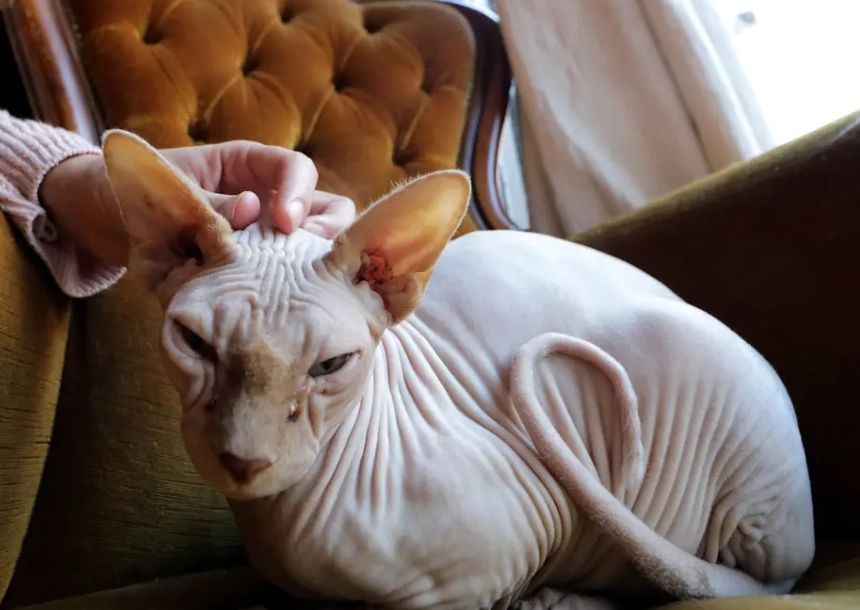
| Cost Category | Estimated Annual Cost | Notes |
|---|---|---|
| High-Quality Food | $600 - $900 | Wet food is often recommended for urinary health; they eat more than furry cats. |
| Grooming Supplies | $100 - $200 | Hypoallergenic shampoo, ear cleaner, lotion, nail clippers, wipes. |
| Utilities & Comfort | $150 - $300 | Increased heating costs, sweaters, heated beds. |
| Routine Vet Care | $300 - $500 | Annual checkups, vaccines, dental care (they can be prone to dental issues). |
| Pet Insurance | $300 - $600 | Highly recommended. Breed-specific issues can lead to big bills. |
See that pet insurance line? For a Sphynx, it's not a luxury. Given the potential for HCM or skin conditions, a comprehensive insurance plan can save you from financial catastrophe down the line. Factor that into your decision from day one.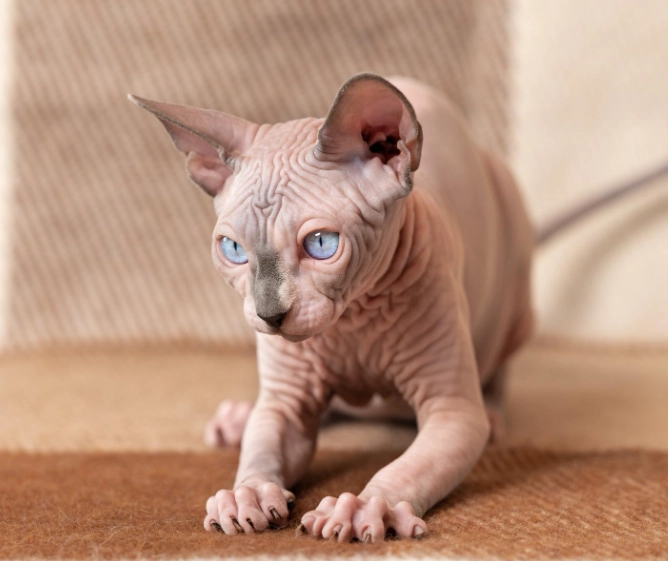
Your Questions on Sphynx Cat Costs Answered
Can I find a cheap Sphynx cat for under $800?
You might find listings that low, but extreme caution is needed. A price that far below the typical range ($1,500-$3,500 from a reputable breeder) almost always signals a backyard breeder or a kitten mill. The costs we've outlined—health testing, proper vet care, ethical breeding—simply cannot be done at that price point. You are likely buying a kitten with no health guarantees, potentially unvaccinated, and from parents with unknown genetic health. The initial savings could lead to heartbreak and vet bills ten times that amount later.
Are Sphynx cats more expensive to insure?
Generally, yes. Pet insurance premiums are based on breed, age, and location. Because Sphynx cats are statistically more prone to certain hereditary conditions like HCM and skin issues, insurers see them as a higher risk. Monthly premiums can be 20-50% higher than for a common domestic shorthair. However, this makes insurance more valuable, not less. Getting a policy when your kitten is young, before any conditions are diagnosed, is the smartest financial move you can make.
What's the single biggest "hidden" cost new owners don't expect?
The constant need for climate control and clothing. New owners know about bathing, but they don't fully grasp how a Sphynx dictates your home's temperature. If you like a cool house in winter (below 70°F/21°C), your cat will be shivering and miserable. You'll end up buying multiple heated beds, leaving specific rooms warmer, and dressing them in sweaters. The cumulative cost of slightly higher heating bills and a wardrobe of cat clothes adds up surprisingly fast over the years.
Is adopting an adult Sphynx from a rescue cheaper?
Financially, yes. Adoption fees for rescue Sphynx (or "Sphynx mixes") typically range from $200 to $500. This is a fantastic way to give a cat a home at a lower upfront cost. However, remember that the ongoing care costs (food, grooming, vet insurance) remain exactly the same. Also, rescue cats may come with unknown health histories or pre-existing conditions that the rescue will disclose. It's a different, often very rewarding path, but it doesn't eliminate the breed-specific upkeep expenses.
So, why are Sphynx cats so expensive? The price tag isn't arbitrary. It's the sum of ethical breeding, exhaustive health screening, and intensive early care. It's a down payment on a cat bred for health and temperament. More importantly, that purchase price is just your entry ticket. The real cost of a Sphynx is a long-term commitment to their unique, demanding, and utterly charming way of life. Before you get dazzled by those wrinkles, do the math on the full 15-year picture. If it fits, you'll gain a companion whose value goes far beyond any dollar amount.