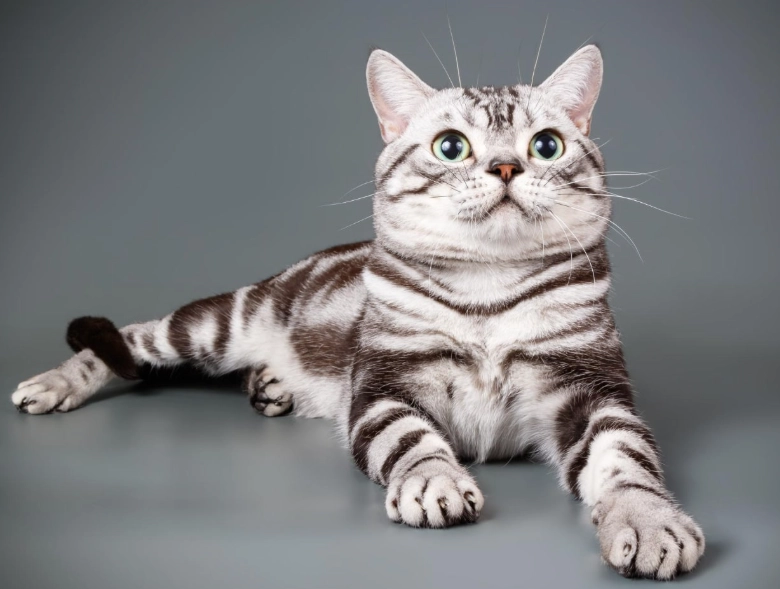
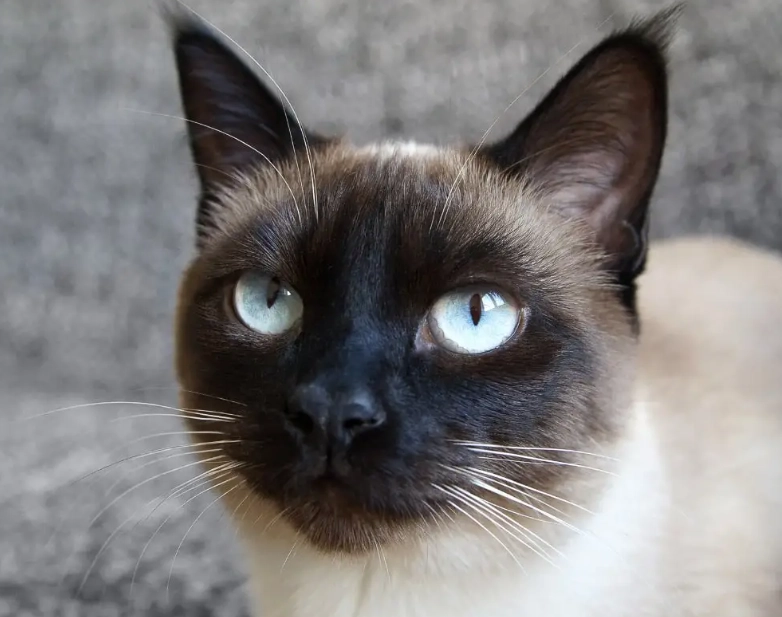
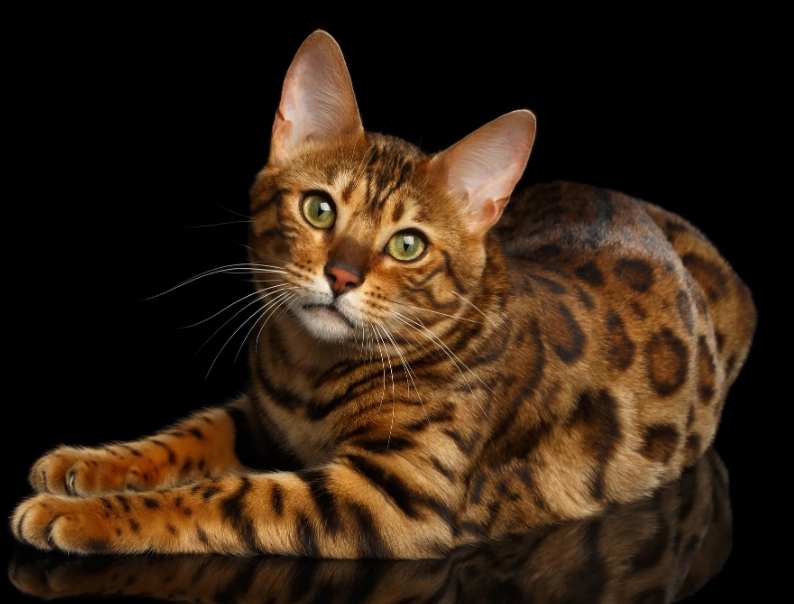
If you've fallen for the Oriental cat's dramatic looks and outsized personality, your first question is probably: how hard are they to actually find? The short answer is yes, Oriental cats are genuinely rare compared to mainstream breeds, but the term "rare" needs unpacking. It's not that they're mythical unicorns; it's that finding a well-bred kitten from a responsible source requires patience, research, and often a significant waitlist. This isn't a breed you'll stumble upon at a local shelter every week (though it does happen!). Let's cut through the hype and look at the real numbers, the reasons behind the scarcity, and your realistic path to bringing one home.
What You'll Find in This Guide
Why Are Oriental Cats So Uncommon? It's Not Just Luck
Their rarity isn't an accident. It's baked into their history and the modern cat breeding landscape.
A Niche Breed with a Specific Mission
Oriental Shorthairs and Longhairs were developed in the mid-20th century by breeders who loved the Siamese body type but wanted a full spectrum of colors and patterns. They essentially took a Siamese and swapped the colorpoint gene for solid, tabby, or shaded coats. While brilliant, this meant they were always destined for a specific audience: people who adore the Siamese temperament and elegance but want a different look. They never aimed for mass appeal like the Persian or British Shorthair.
I remember talking to a veteran breeder at a cat show. She said, "We don't have large litters, and we don't breed often. Every kitten is planned years in advance to improve the line. This isn't a factory." That mindset is common among dedicated Oriental breeders, which naturally limits supply.
The Breeding Bottleneck
Reputable breeders prioritize health, temperament, and conformation over quantity. A typical breeding queen might have only one or two litters a year, with an average litter size of 4-6 kittens. After reserving kittens for showing or keeping in their own breeding program, there might only be 2-3 kittens available to the public from that litter. Now, consider that there are only a few dozen serious Oriental breeders registered with major cat associations like The Cat Fanciers' Association (CFA) or The International Cat Association (TICA) in the entire country. The math quickly explains the shortage.
A Key Distinction: When people search for "Oriental cat rarity," they're often mixing up availability with population. The breed isn't endangered. There are thousands of registered Orientals. The rarity is in immediate, easy access to a kitten from a trusted source. The wait, not the existence, is the real challenge.
Oriental vs. Siamese: A Rarity Showdown
This is the most common comparison, and it highlights the "relative" in relative rarity. The Siamese is the famous, widely recognized cousin. The Oriental is the less-known artist.
| Factor | Oriental Shorthair/Longhair | Siamese (Modern) |
|---|---|---|
| Public Recognition | Low to Moderate. Enthusiasts know them, but the average person might mistake them for a "strange-looking Siamese." | Very High. An iconic, instantly recognizable breed. |
| Number of Active Breeders (Est. in US) | Approximately 30-50 dedicated breeders across all registries. | Over 100+ easily, likely many more. | Typical Waitlist Time | 6 months to 2 years is standard for a specific color/sex from a top breeder. | 3 months to 1 year. More breeders mean more options and shorter average waits. |
| Presence in Shelters/Rescues | Very rare. If one appears, it's often through breed-specific rescue (e.g., Purebreds Plus Cat Rescue). | Uncommon but more frequent than Orientals. Siamese and mixes appear in shelters regularly. |
| "Backyard Breeder" Risk | Moderate. Their rarity protects them somewhat, but unethical breeders see high prices and target naive buyers. | High. Extreme popularity makes them a prime target for puppy-mill style operations. |
The table shows the core issue: demand for Orientals is specialized, but the supply from ethical sources is even more limited. You're navigating a smaller, more tight-knit community.
How to Find an Oriental Cat Breeder: A Realistic Roadmap
Forget a quick Google search. Finding a good Oriental breeder is a project. Here's how to do it right, based on years of watching people succeed and fail.
Start with the Registries. Go directly to the breeder referral pages of CFA and TICA. These lists aren't perfect, but they filter out the obvious non-starters. Don't just email everyone. Look for breeders who have a detailed website, show their cats, and clearly explain their breeding philosophy.
Attend a Cat Show. This is the single best piece of advice I can give. Nothing replaces meeting the cats, the breeders, and seeing the community in person. You can find local shows via the CFA or TICA event calendars. Talk to breeders when they're not busy judging. Ask about their waitlists. You'll learn more in an afternoon than in weeks of online research.
The Red Flags Everyone Misses. A huge mistake is prioritizing speed over everything. A breeder with "available now" kittens and a dozen litters a year is a massive warning sign. Other red flags: no health testing (ask for proof of HCM echocardiograms and PKDef DNA tests), unwillingness to let you visit their home (post-pandemic, video tours are acceptable, but they should be live, not just prerecorded), and selling kittens before 12-16 weeks of age.
Be Prepared for the Interview. Good breeders will interrogate you. They'll ask about your home, other pets, work schedule, and plans for vet care. They do this because they've invested heart and soul into these kittens. If a breeder doesn't ask you any questions, they don't care where the kitten ends up.
What to Expect: Cost & Health Considerations
Rarity and careful breeding come at a price, both financial and in terms of care.
Price Range: From a reputable breeder, expect to pay between $1,200 and $2,500 for an Oriental Shorthair or Longhair kitten. Show-quality or rare colors (like ebony or cinnamon) will be at the higher end. This should include initial vaccinations, spay/neuter, microchipping, and a health guarantee. If a price seems too good to be true (e.g., under $800), it almost certainly is.
Health is Non-Negotiable. The Oriental's close relation to the Siamese means they share some genetic predispositions. A responsible breeder will openly discuss this.
- Hypertrophic Cardiomyopathy (HCM): This is the big one. Reputable breeders screen their breeding cats annually via echocardiogram by a veterinary cardiologist. Ask to see the reports for the kitten's parents.
- Progressive Retinal Atrophy (PRA) & PKDef: These are DNA tests a breeder should have done. It's a basic standard.
- Dental Issues: Their sleek heads can mean crowded teeth. Be prepared for vigilant dental care throughout their life.
Don't be shy about asking for health documentation. A breeder proud of their work will have it ready.
Your Oriental Cat Rarity Questions Answered
So, how rare are Oriental cats? They're rare enough to make you work for it, but not so rare that finding one is impossible. The journey to an Oriental cat is a filter. It filters for owners who are patient, do their homework, and value responsible breeding over instant gratification. That, in the end, often leads to the best matches—for the cat, and for you. If you're willing to navigate the waitlists, ask the hard questions, and maybe take a trip to a cat show, your sleek, chatty companion is out there.