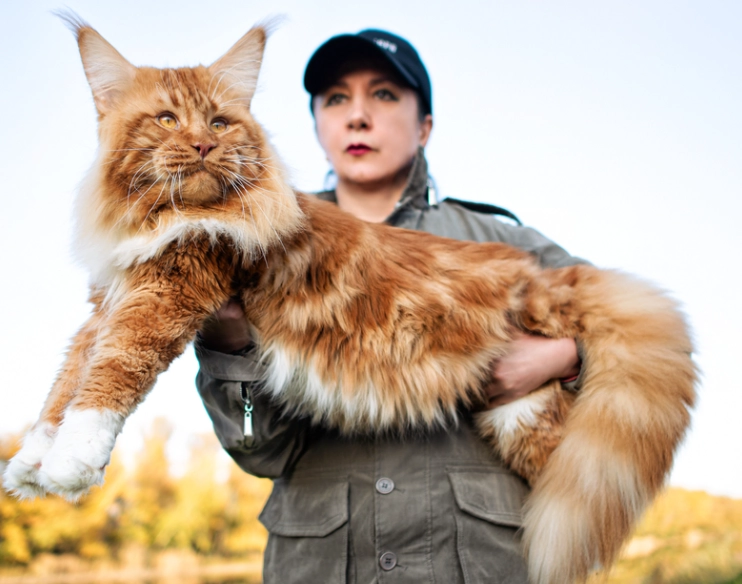
You see a cat with spots that remind you of a leopard, and you wonder—what breed is that? It's not a wild animal; it's a domestic cat bred to mimic the majestic leopard. I've owned a Bengal for years, and let me tell you, the resemblance is uncanny, but there's more to these cats than just looks. In this guide, I'll cut straight to the chase: the top breeds that look like leopards are the Bengal, Savannah, and Ocicat. Each has unique traits, care needs, and personalities that might surprise you. Whether you're considering adoption or just curious, I'll cover everything from their origins to the nitty-gritty of daily life with a spotted feline.
What You'll Find in This Guide
Top Cat Breeds with Leopard-Like Spots
When people ask about cats that look like leopards, they're usually thinking of those distinctive rosettes or spots. It's not just one breed; several have been developed to capture that wild aesthetic. Based on my experience and research from sources like The International Cat Association, here are the main contenders.
The Bengal Cat: A Miniature Leopard in Your Living Room
The Bengal is the poster child for leopard-like cats. Bred from Asian leopard cats and domestic shorthairs, Bengals have that iconic spotted coat that screams "wild." But here's something most articles don't mention: not all Bengals have the same spot quality. Some have blurry rosettes, while others have crisp, leopard-like markings. I learned this the hard way when I adopted my Bengal, Leo—his spots were stunning, but his energy level was through the roof. Bengals typically weigh 8-15 pounds, come in colors like brown, silver, and snow, and cost between $1,500 to $3,000 from a reputable breeder. They're not for everyone; they need lots of playtime and space to climb.
The Savannah Cat: Tall, Spotted, and Full of Surprises
Savannah cats are another breed that looks like a leopard, thanks to their serval ancestry. They're tall, with long legs and large, rounded ears. Their spots can be bold and dramatic. But what many don't realize is that Savannahs vary greatly by generation. An F1 Savannah (first generation) is more wild-like but may have restrictions in some areas, while later generations are more domesticated. I've met a few Savannah owners, and they all say the same thing: these cats are dog-like in loyalty but require immense stimulation. Prices can range from $2,000 to over $20,000 for early generations.
The Ocicat: Spots Without the Wild Blood
If you want the leopard look without the wild ancestry, the Ocicat is your go-to. Bred from Siamese and Abyssinian lines, Ocicats have a spotted coat that mimics wild cats, but they're 100% domestic. They're often overlooked, but in my opinion, they're a gem—affectionate, social, and easier to care for than Bengals or Savannahs. Ocicats weigh 6-15 pounds, come in 12 colors like tawny and chocolate, and cost around $800 to $1,500. They're a great choice for families who want the exotic look without the high maintenance.
To make it easier, here's a quick comparison table of these leopard-like cat breeds:
| Breed | Origin | Average Weight | Coat Pattern | Typical Price Range | Key Trait |
|---|---|---|---|---|---|
| Bengal | Asian leopard cat hybrid | 8-15 lbs | Spots or rosettes | $1,500 - $3,000 | High energy, needs activity |
| Savannah | Serval hybrid | 12-25 lbs | Bold spots | $2,000 - $20,000+ | Tall, dog-like, requires space |
| Ocicat | Domestic mix (Siamese/Abyssinian) | 6-15 lbs | Spotted | $800 - $1,500 | Affectionate, social, easier care |
There are others, like the Egyptian Mau or spotted domestic shorthairs, but these three are the most common when people search for leopard-like cats. Each has its quirks—for instance, Bengals can be prone to certain health issues like hypertrophic cardiomyopathy, so regular vet checks are a must.
Personality and Care: Beyond the Spots
Owning a cat that looks like a leopard isn't just about aesthetics; it's about understanding their needs. I've seen too many people adopt a Bengal because it's "cool," only to struggle with its demands. Let's break it down.
Bengals are like perpetual toddlers—they need constant engagement. Without it, they can become destructive. I learned to set up a cat wheel and puzzle toys for Leo, and it made a world of difference. They're also vocal and love water, which can be a surprise if you're not prepared.
Savannah cats, especially early generations, require a lot of space. They're not ideal for small apartments. They're intelligent and can be trained, but they may have a high prey drive. A friend of mine has an F2 Savannah that opens doors—it's impressive but annoying at times.
Ocicats are more laid-back. They thrive on human interaction and get along with other pets. Their care is similar to any domestic cat: regular grooming, a balanced diet, and annual vet visits. They're less likely to have the wild traits that complicate things.
Here's a tip from my experience: if you're considering a spotted breed, visit a breeder or shelter in person. Photos don't capture personality. I almost adopted a Savannah based on looks alone, but meeting one showed me how much work they are.
Common care needs across these breeds include:
- Diet: High-protein food is essential, especially for active breeds like Bengals. Some may have sensitive stomachs.
- Exercise: Daily play sessions are non-negotiable. Think wand toys, climbing trees, and interactive games.
- Grooming: Short coats mean minimal shedding, but regular brushing helps reduce hairballs.
- Health: Watch for breed-specific issues. For example, Bengals can have a higher risk of progressive retinal atrophy.
It's not all glamorous. These cats can be expensive to insure and care for. I spend about $100 a month on Leo's food and toys, and vet bills add up.
Is a Leopard-Look Cat Right for You?
Deciding to bring home a cat that resembles a leopard isn't just about liking spots. It's a commitment. Ask yourself these questions:
Do you have the time? Bengals and Savannahs need hours of interaction daily. If you work long hours, an Ocicat might be better, but even they get lonely.
What's your living situation? Large, active breeds require space. A small apartment might not cut it for a Savannah.
Can you handle the cost? Beyond the purchase price, there's food, vet care, insurance, and enrichment tools. I've seen people underestimate this and end up rehoming their cat.
Are you prepared for the personality? These cats aren't couch potatoes. They're curious, sometimes mischievous, and demand attention.
If you're still unsure, consider fostering first. I fostered a Bengal before adopting Leo, and it gave me a real sense of the daily routine. It's a great way to test the waters without long-term commitment.
Your Questions Answered: Leopard-Like Cat FAQ
Wrapping up, cats that look like leopards are fascinating, but they're not just pretty faces. They come with unique challenges and joys. If you're ready for the commitment, they can be incredible companions. Start by researching breeders or rescues, and don't rush—finding the right fit takes time. And remember, spots fade in importance once you get to know the cat behind them.