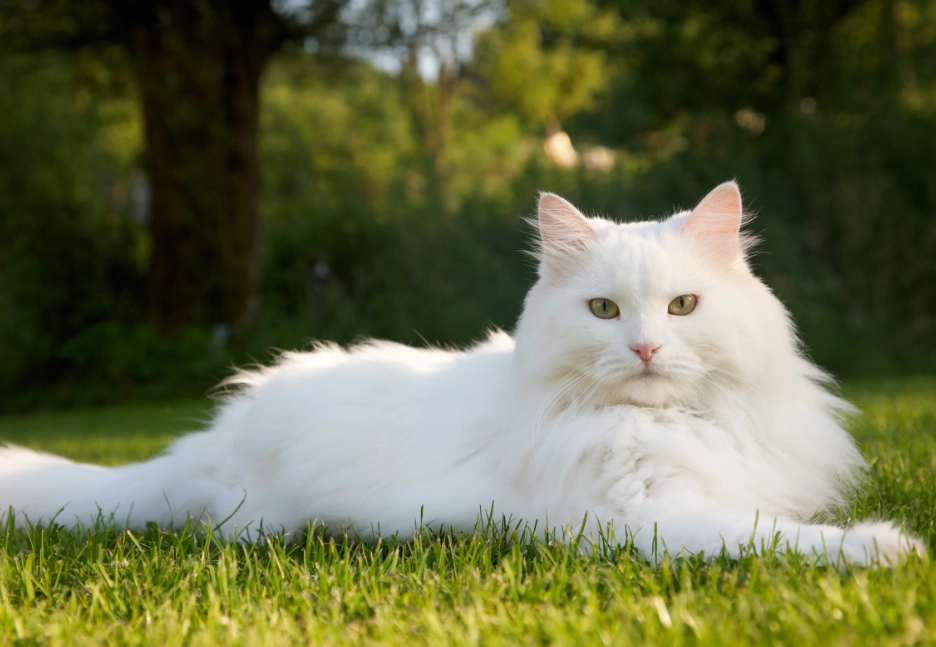
That pristine, snowy coat. It’s the first thing you notice. But owning a white cat is about so much more than just aesthetics. It’s a commitment to understanding a unique set of genetics, personality quirks, and specific care needs that many first-time owners completely overlook. I’ve lived with white cats for over a decade, and let me tell you, the biggest mistake people make is treating them like any other cat. They’re not. From the surprising link between blue eyes and deafness to the constant battle against yellowing fur, there’s a world of detail beneath that beautiful exterior.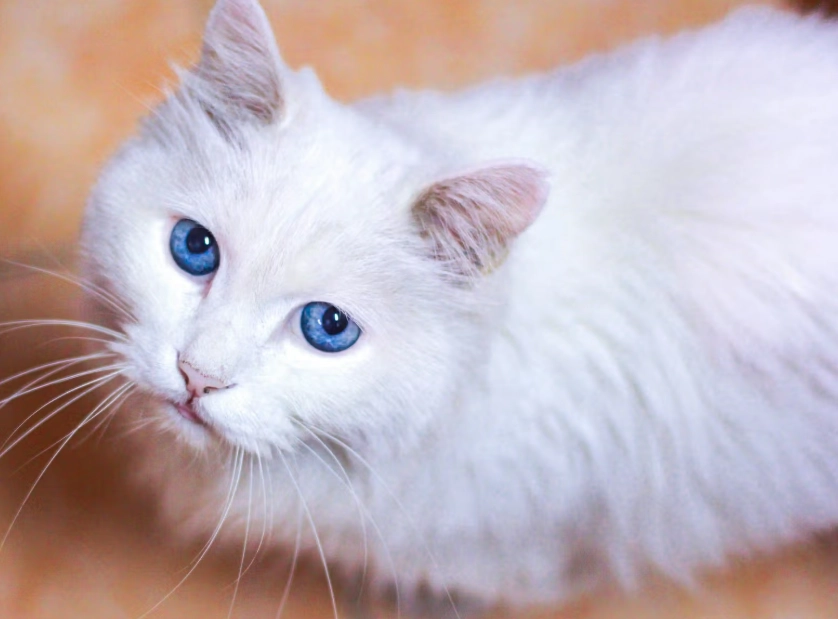
What's Inside This Guide
The Genetics Behind the White Coat: It's Not Just One Gene
Most people think a white cat is just a cat without color. Not quite. That brilliant white fur is usually the result of one of three genetic mechanisms, and which one matters more than you'd think.
The most famous (and impactful) is the dominant white gene (W). This gene masks all other color genes. It’s also the one linked to congenital sensorineural deafness, especially when combined with blue eyes. The theory is the same stem cells responsible for coat color also affect inner ear development. According to studies referenced by veterinary resources like those from Cornell Feline Health Center, while not all white cats with blue eyes are deaf, the percentage is significantly higher than in the general cat population.
Then there's the white spotting gene (S), which creates bicolor or tuxedo cats. A cat can be so heavily spotted it appears all white, but might have a small patch of color on the head. These cats don't carry the same deafness risk as dominant white cats.
Finally, the albino gene (c) is rare. True albino cats have pale pinkish skin, very pale blue or pink eyes, and no pigment at all. They are extremely light-sensitive.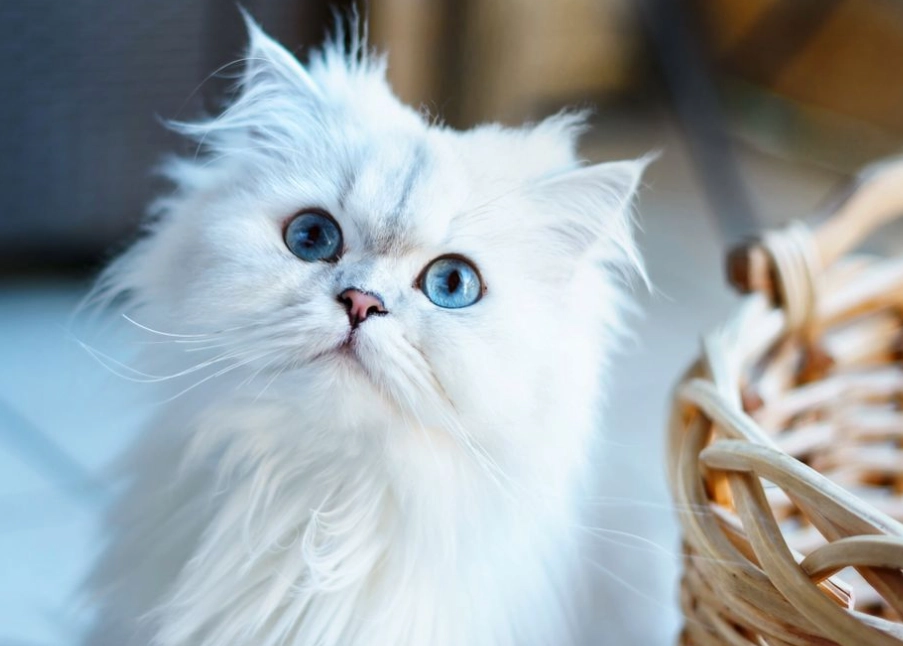
White Cat Breed Breakdown: From Lap Cats to Personalities Plus
White isn't a breed; it's a color that appears across many. But some breeds wear it exceptionally well and come with their own built-in personalities. Here’s a look beyond the fluff.
| Breed | Key Personality Trait | Grooming Need | Special Note for White Coats |
|---|---|---|---|
| Persian | Ultimate lap cat, calm, quiet, sweet-tempered. | Very High (extremely long coat) | White Persians require daily combing to prevent painful mats. Tear staining is very visible; daily face wiping is a must. |
| British Shorthair | Easygoing, affectionate but not clingy, dignified. | Low (dense, plush coat) | Their "teddy bear" coat is easy to care for, but dirt shows easily. The solid white version is stunning but less common than blue. |
| Siamese (Foreign White) | Vocal, demanding, extremely social and intelligent. | Low (short coat) | A Siamese with the dominant white gene. Has brilliant blue eyes but, due to careful breeding, typically has normal hearing. |
| American Shorthair | Adaptable, friendly, good with families, low-drama. | Low | A robust, healthy breed. A white American Shorthair is the perfect "starter" white cat—hardy and easy to groom. |
That table gives you the specs, but living with them is different. My Turkish Angora, Casper, was white with one blue eye and one green. He wasn't deaf, but he had that typical Angora intelligence—he learned to open doors. The point is, don't just pick a white cat for looks. A high-energy Van will destroy your home if you're looking for a couch potato, and a Persian's grooming is a serious daily time commitment.
What About Domestic Shorthairs?
Let's not forget the most common white cat: the domestic shorthair. These are mixed-breed cats, and they're fantastic. Their personality is a wonderful gamble, and they often have fewer genetic health issues than purebreds. A white shelter cat can be your most loyal friend. The care advice here—especially regarding deafness and sun protection—applies to them just as much as any purebred.
The Real Care Challenges (It's Not Just Grooming)
Everyone talks about keeping a white coat clean. That’s the obvious part. The real challenges are subtler and often ignored until they become problems.
1. Deafness Management: It's Not a Tragedy
If your white cat is deaf, your world shifts from sound to sight and vibration. Forget calling their name. You use hand signals for "come," "food," and "no." You flick lights on and off. You stomp on the floor so they feel the vibration and look up. The biggest adjustment is safety: they must be indoor-only cats. They can't hear cars, dogs, or other threats. Also, startle them from the front, not behind. I’ve seen a deaf cat get accidentally stepped on because it didn't hear someone approaching—a heartbreaking but preventable accident.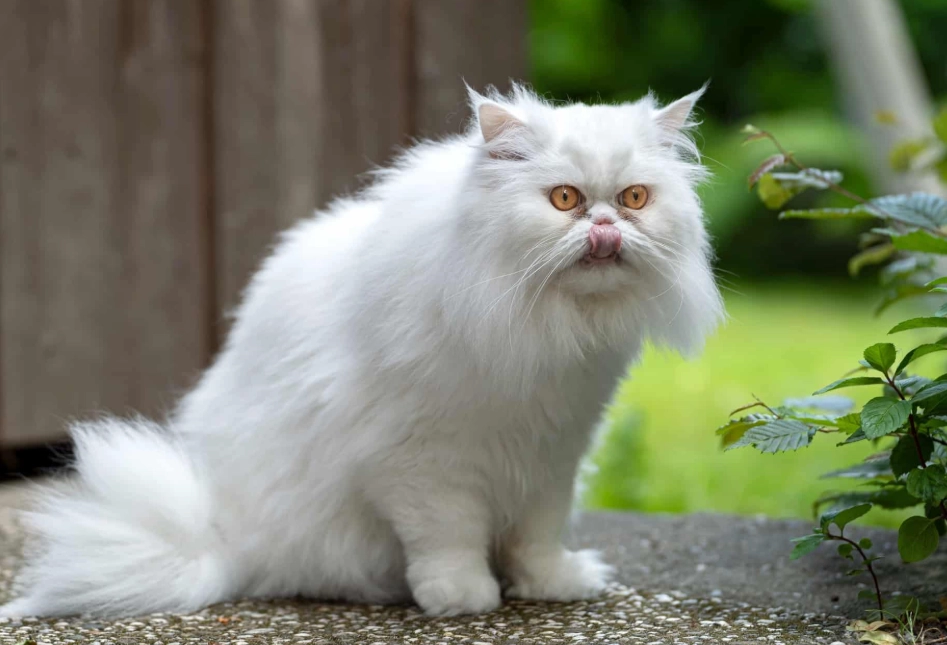
2. Sun Protection & Skin Care
This is the non-negotiable, rarely discussed priority. White cats have little to no melanin in their skin, especially on their ears and noses. They can and do get sunburned, which can lead to squamous cell carcinoma, a aggressive skin cancer.
- Keep them indoors during peak sun hours (10 am - 4 pm).
- If they have outdoor access (in a secure catio), provide ample shade.
- Talk to your vet about pet-safe sunscreen for their ear tips and nose. Never use human sunscreen containing zinc oxide, which is toxic if ingested.
3. The Grooming Deep Dive
Yes, you have to brush them. But the goal isn't just to remove loose hair; it's to prevent the fur from turning yellow or brown.
Tear Stains: Common in flat-faced breeds like Persians. The porphyrins in tears oxidize and turn reddish-brown. Wipe the eye corners daily with a soft, damp cloth. For stubborn stains, a vet can recommend a safe stain remover.
Saliva Stains: When a white cat grooms, saliva can stain the fur on their chest and paws. Regular brushing distributes natural oils and prevents saliva from building up and oxidizing.
Diet & Environment: A high-quality diet promotes healthy skin and coat. Also, if your cat loves to nap on a dusty shelf or in a potted plant, their coat will show it. Keep their favorite lounging areas clean.
Bathing? Rarely needed unless they get into something. If you must, use a cat-formulated whitening or brightening shampoo. Always dry them thoroughly in a warm, draft-free room.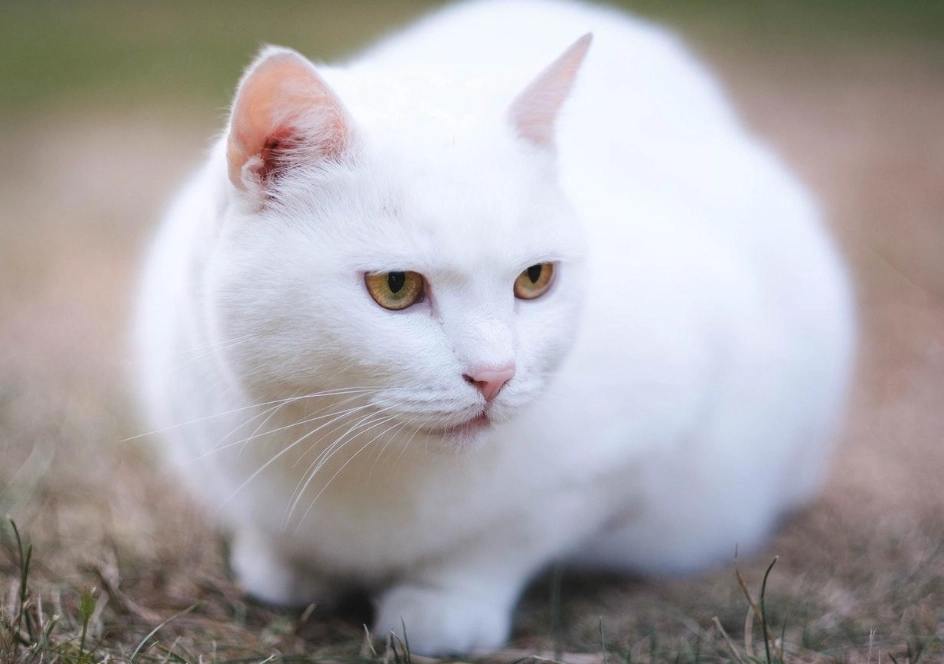
How to Choose the Right White Cat for Your Life
So you want a white cloud of joy. Great. Now, be brutally honest with yourself.
Consider Your Lifestyle: Are you home a lot? A social breed like a Siamese or an attention-loving Angora might thrive. Busy and out all day? A more independent British Shorthair or a bonded pair of domestic shorthairs could be better.
Consider the Commitment: Can you commit to daily grooming for a longhair? Do you have the patience and home environment for a potentially deaf cat? Are you ready to be vigilant about sun exposure?
Where to Look:
Breeders: If you want a specific purebred, find a reputable breeder who tests for genetic health issues and can speak knowledgeably about the deafness risk in their lines. Ask to see the parents.
Rescues & Shelters: This is where you'll find most white cats. Be upfront with shelter staff about your lifestyle. They often know the cat's personality. Ask specifically about the cat's hearing—shelters sometimes test for a startle response.
Visit. Interact. Don't just pick the prettiest face. See who chooses you.
Your White Cat Questions, Answered
 Choosing and caring for a white cat is a unique journey. It’s about appreciating their stunning beauty while fully understanding the specific responsibilities that come with it. Do your homework, meet your potential feline friend with an open heart, and you’ll be rewarded with a companion that’s truly one in a million—even if they can’t hear you tell them so.