Let's clear something up right away. "White cat shorthair" isn't the name of one specific breed. It's a description that covers a whole group of stunning felines, from pedigreed champions to your everyday adorable house cat, all sharing that brilliant white coat and short, manageable fur. I've lived with cats for over twenty years, and my current roommate is a deaf, white domestic shorthair named Ghost. He's taught me more about the unique joys and considerations of living with a white-coated cat than any book ever could.
If you're drawn to their angelic looks, you're not alone. But there's more beneath the surface. Their care isn't just about aesthetics; it's about understanding their specific needs, from potential health quirks to the surprising amount of upkeep that snowy fur requires. This guide will walk you through everything: the breeds you might encounter, a realistic grooming routine, health watch-outs, and what their personality is really like.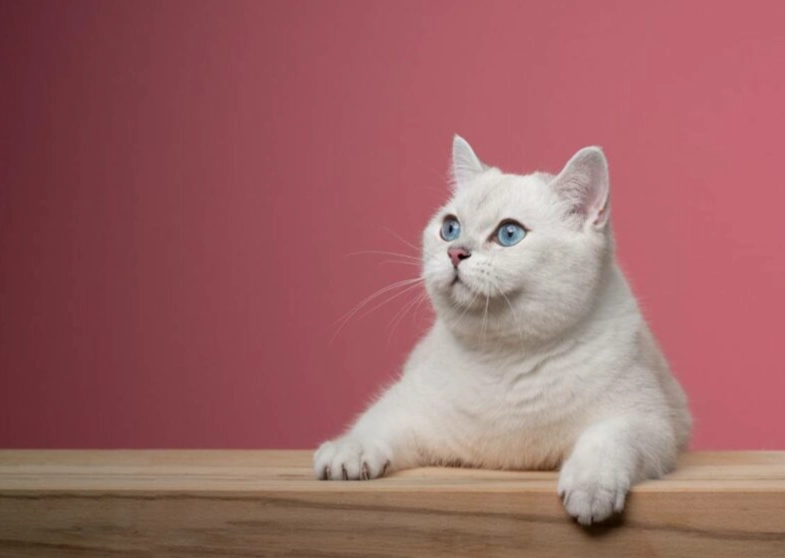
What's Inside
What White Cat Breeds Have Short Hair?
When you picture a white shorthair, you might be imagining one of these popular breeds. Each has its own distinct look and temperament. Here's a quick comparison before we dive in.
| Breed | Coat Texture | Key Personality Trait | Special Note for White Variants |
|---|---|---|---|
| British Shorthair | Dense, plush, "crisp" | Calm, dignified, independent | The classic "white cat" look. Prone to obesity. |
| Exotic Shorthair | Plush, thick, soft | Sweet, gentle, playful | Flat face requires daily eye cleaning. |
| Devon Rex | Wavy, soft, fine | Mischievous, clown-like, affectionate | Less shedding. Needs protection from cold. |
| Oriental Shorthair | Fine, sleek, glossy | Talkative, energetic, demanding | Often have green eyes. Very heat-seeking. |
| Domestic Shorthair (DSH) | Variable, generally fine | Highly variable, often mixed traits | The most common. A wonderful "mutty" mix. |
The Plush Classic: British Shorthair
The British Shorthair is probably the poster child for the white shorthair look. That coat isn't just short; it's incredibly dense and stands away from the body, giving them a teddy bear-like plushness. They're not lap cats in the clingy sense. They prefer to be in the same room, a serene, dignified presence. Think of them as the quiet, reliable roommate. A common mistake? Underestimating their need for play. Because they're calm, owners often skip interactive play, leading to weight gain. A chubby British Shorthair is common, but it's not healthy. Get them moving with a feather wand for 15 minutes a day.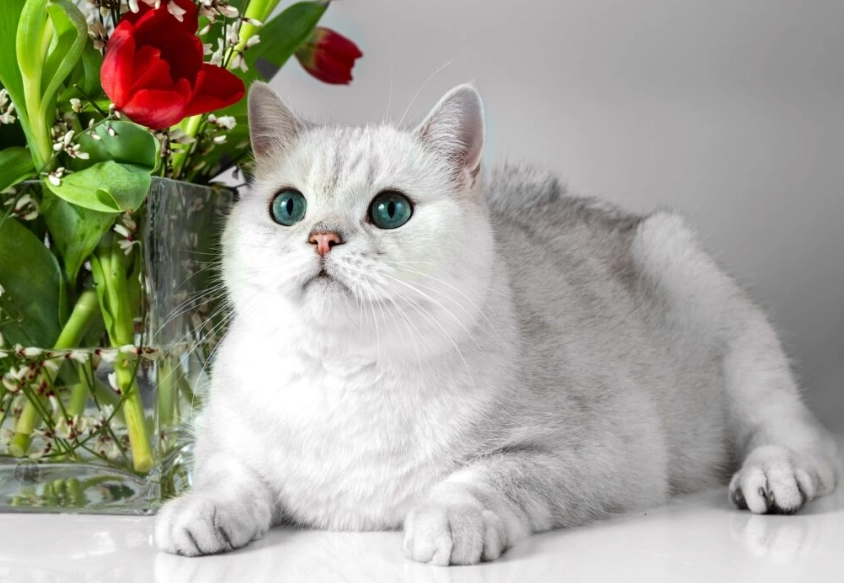
The Sweet Flat-Face: Exotic Shorthair
Imagine a Persian but with short hair. That's the Exotic. They inherit the Persian's sweet, gentle personality without the extreme, high-maintenance coat. Their faces are brachycephalic (flat), which is adorable but comes with responsibilities. Their tear ducts don't drain properly, so white Exotics often have reddish-brown tear stains. You'll need to gently wipe their eyes daily with a soft, damp cloth. It's non-negotiable unless you want permanent stains and potential skin infections. They're incredibly affectionate and often more playful than their Persian cousins.
The Quirky Elf: Devon Rex
Devon Rex cats break the mold. Their coat is wavy, soft like suede, and they shed significantly less than other breeds. A white Devon Rex looks ethereal. Personality-wise, they're acrobatic clowns. They'll perch on your shoulders, steal food off your plate, and make you laugh constantly. That fine coat means they get cold easily. In cooler climates, they'll be the first to claim a sunny spot or burrow under your blankets. You might even consider a cute cat sweater for them in winter.
The Vocal Athlete: Oriental Shorthair
Sleek, slender, and chatty. Oriental Shorthairs are the extroverts. They have large, expressive ears and often striking green eyes against their white fur. They form intense bonds and will tell you all about their day in a loud, raspy voice. They need engagement. If you leave an Oriental alone for long hours without stimulation, they will get into trouble or become anxious. Puzzle feeders, cat trees, and dedicated playtime are essential. They're also notorious heat-seekers, always finding the warmest spot in the house.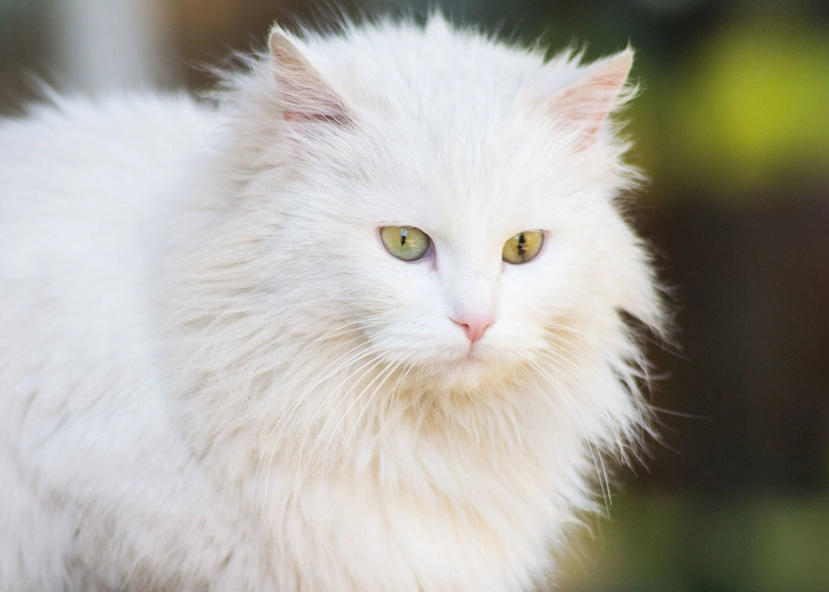
The Everyday Star: Domestic Shorthair
Don't overlook the Domestic Shorthair (DSH). The majority of white cats in shelters and homes are these wonderful mixed breeds. Their genetics are a grab bag, which can make them incredibly hardy and give them unique personalities. You might get the calm of a British Shorthair mixed with the playfulness of an unknown ancestor. Adopting a white DSH is often less expensive than buying a purebred and just as rewarding. The key is to meet the individual cat—their personality won't be defined by a breed standard.
How to Groom a White Cat Shorthair: A Step-by-Step Guide
Here's the unvarnished truth: white cats are high-maintenance when it comes to cleanliness. Every speck of dirt, every tear stain, every bit of litter box dust shows up. Calling them "low-maintenance" because of short fur is a trap new owners fall into. The goal isn't just beauty; it's skin health.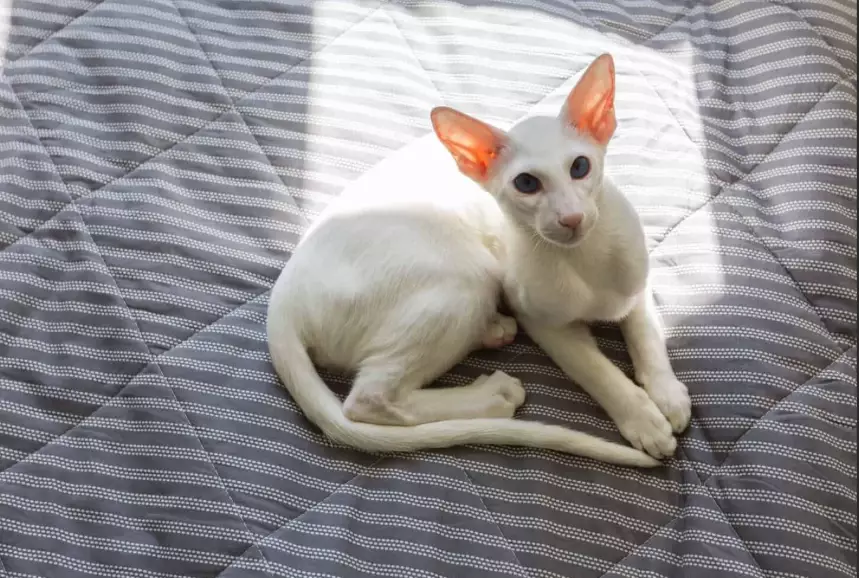
The Weekly Fur Session
Brush your white shorthair 2-3 times a week. I use a two-step process. First, a rubber grooming mitt (like the Kong ZoomGroom) to loosen dead hair and distribute skin oils. It feels like a massage, and most cats love it. Then, I go over with a fine-toothed stainless steel comb to catch any remaining loose fur and check for fleas or skin issues. This routine cuts down on shedding by about 70% and prevents mats, which can still form in short-haired cats, especially under the arms.
Bathing: Yes, It's Sometimes Necessary
Most cats hate baths, but for a white cat, an occasional bath can be a game-changer. If Ghost gets into something or his coat starts looking dingy (a yellowish tinge near the back end is common), we do a bath. Every 4-6 weeks is plenty. Use a cat-specific shampoo. Never use human shampoo—it's too harsh. For brightening, a shampoo with optical brighteners (safe for cats) can help. The process: lukewarm water, talk calmly, work quickly, and have lots of towels ready. Reward heavily with treats afterward. It gets easier each time.
Eyes, Ears, and Paws
This is the daily or every-other-day minutiae. For eye gunk, use a cotton ball or soft cloth dampened with warm water. Wipe from the inner corner outward. For stubborn tear stains on white fur, ask your vet about a safe stain remover. Ears should be checked weekly. White cats' ears are pink and vulnerable to sunburn, so also check for any redness. Clean only the visible part with a vet-recommended ear cleaner on a cotton pad—never dig down with a Q-tip. Paw pads can get stained from litter. A damp cloth wipe solves this. I switched to a lighter-colored, low-dust litter, which made a huge difference.
The Diet Connection
What your cat eats directly affects their coat. A high-quality diet rich in animal protein and omega-3 fatty acids (found in fish oil) promotes a healthy, shiny coat and reduces shedding. Some low-quality foods can cause excess oil production, making white fur look greasy and yellow. If you notice discoloration, diet is the first place to look. Consult your vet before making any major changes.
Are White Cats More Prone to Health Issues?
The gene that gives cats a pure white coat (the dominant white gene) is sometimes linked to a few specific conditions. It's not a guarantee, but it's something to be aware of so you can be a proactive owner.
Congenital Deafness: This is the big one. The same gene that causes white fur and blue eyes can affect the development of the inner ear. As mentioned in the FAQ, the risk is highest for blue-eyed white cats. Deaf cats are perfectly happy but require extra safety measures. They must be indoor-only cats. You'll communicate with vibrations (stomping on the floor), visual signals (flashlights, hand signals), and touch. They often startle easily, so approach them from the front where they can see you.
Sun-Induced Skin Cancer (Squamous Cell Carcinoma): This is critically important. White cats have little to no melanin to protect their skin. The ears, eyelids, and nose are most at risk. You'll see it start as red, scaly patches that don't heal. Prevention is straightforward: keep them out of direct sunlight, especially between 10 am and 4 pm. If they love sunbathing, apply pet-safe sunscreen to their ears and nose, or even better, get them a cute little sun-blocking hat or create shaded patio areas. Early detection is key, so check those pink areas regularly.
General Health: Beyond these white-specific issues, they are susceptible to the same conditions as other cats of their breed. For instance, British Shorthairs can have heart issues (HCM), and Exotics can have breathing problems. Regular vet check-ups (at least annually) are non-negotiable.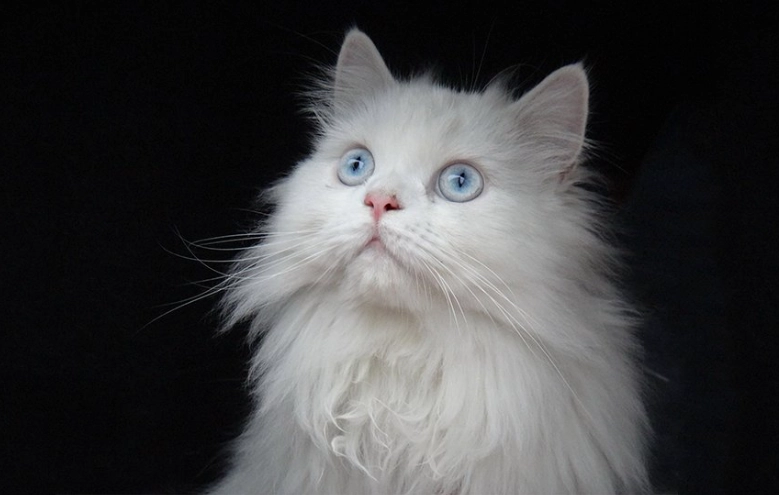
The White Cat Personality: Myths and Realities
Is there a "white cat personality"? Breed is a much bigger predictor than coat color. However, living with a deaf white cat has shown me how environment shapes behavior. Ghost is incredibly attached to me visually. He follows me from room to room because he needs to keep me in his sight. He's also a heavy sleeper and can be a bit clumsy—both possibly related to his deafness.
Some people say white cats are more anxious or aloof. I haven't found that to be universally true. My vet, who's seen thousands of cats, says personality has far more to do with genetics, early socialization, and individual experience than coat color. A well-socialized white kitten from a confident mother will likely be confident, regardless of color.
The one thing I will say: white cats often become the center of attention because of their looks, which can make them either more outgoing or, in some cases, more sensitive to being constantly handled. Read your cat's cues. Let them initiate contact sometimes.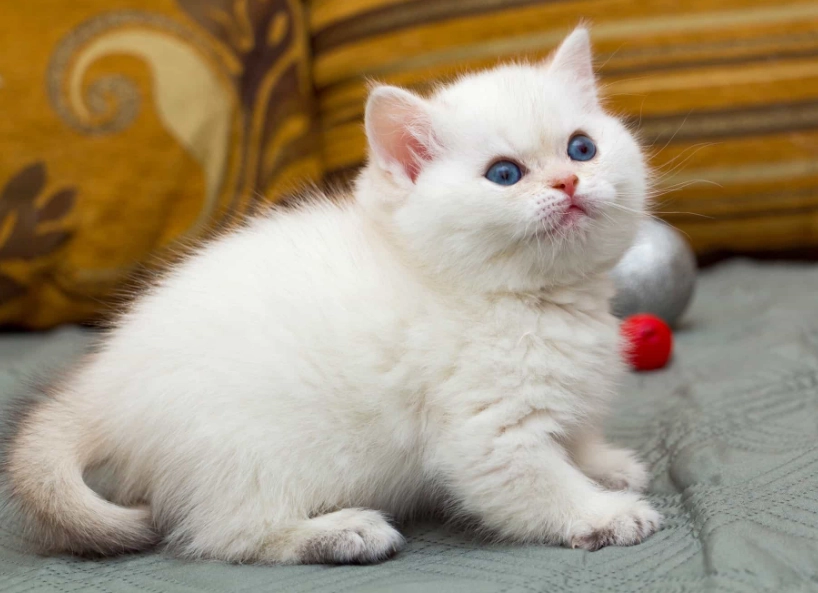
Your White Cat Shorthair Questions Answered
All cats shed, but white shorthair cats can make it more visually obvious. The key is management. Short hair doesn't mean less hair; it just means shorter strands. Regular brushing 2-3 times a week with a rubber grooming mitt or fine-toothed comb is crucial. It catches loose fur before it ends up on your black sofa. During seasonal changes (spring/fall), you might need to brush daily. A high-quality diet with omega fatty acids also supports a healthy coat and can reduce excessive shedding.
This is a common myth with a kernel of truth. Not all white cats are deaf, but they have a higher statistical probability, especially if they have two blue eyes. Studies, like those cited by the Cornell Feline Health Center, suggest that 65-85% of white cats with two blue eyes are born deaf. If a white cat has one blue eye (odd-eyed), deafness is more likely in the ear on the blue-eyed side. Cats with non-blue eyes still have a 10-20% chance. Deaf cats live perfectly full lives but require indoor-only environments and alternative communication methods like visual signals.
White and light-colored cats lack protective melanin, making their ears, nose, and eyelids vulnerable to sunburn (solar dermatitis), which can lead to skin cancer. The single most effective protection is keeping them indoors during peak sun hours (10 am - 4 pm). For cats with patio access, create shaded areas. For unavoidable sun exposure, you can apply a pet-safe, non-toxic sunscreen to their ears and nose. Look for products with titanium dioxide or zinc oxide as active ingredients, and avoid anything containing zinc oxide if your cat is likely to ingest it. Consult your vet for a recommended brand. The ASPCA also has resources on pet sun safety.
This depends entirely on the individual cat's personality and the child's behavior, not the coat color. A calm British Shorthair might tolerate gentle children well, while a high-strung Oriental might prefer a quieter home. The critical factor is teaching children how to interact properly: no pulling tails, gentle petting, and respecting the cat's space when it retreats. Always supervise interactions. A well-socialized cat from a shelter that's used to kids can be a fantastic choice. I'd recommend a slightly older cat (over 1 year) whose personality is already evident, rather than a kitten, for families with very young children.