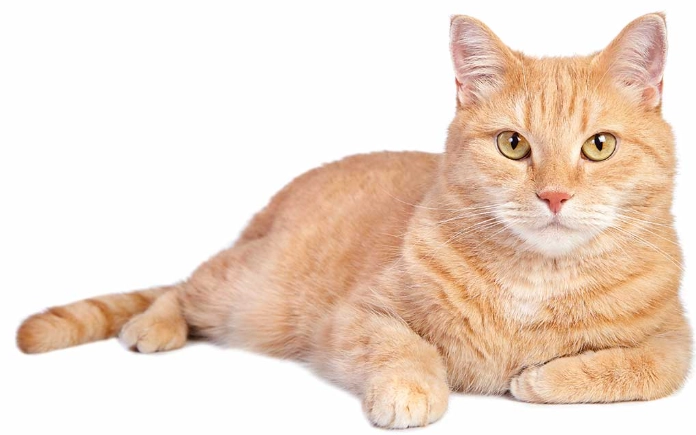
You've seen them in ads, memes, and probably on a friend's sofa—the quintessential round-faced, copper-eyed, plush-coated orange British Shorthair. They look like a living, breathing teddy bear. But what's it actually like to live with one of these charming ginger cats? Is the personality as sweet as the color suggests? I've shared my home with British Shorthairs for over a decade, and my current orange boy, Marmalade, has taught me more about the breed's nuances than any book could. Let's move past the adorable photos and talk about the real, day-to-day life with an orange British Shorthair cat.
What's Inside This Guide
The Real Personality: Not Just a Lap Cat
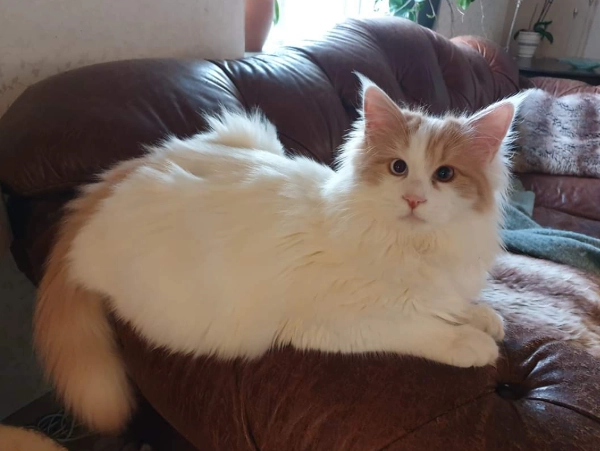
That classic, placid expression is telling. Orange British Shorthairs are famously calm, adaptable, and undemanding. They're the introverts of the cat world—content with their own company but deeply loyal to their chosen people. Don't expect a cat that follows you from room to room meowing for attention. Marmalade prefers to station himself in a central spot and observe the household drama from a dignified distance.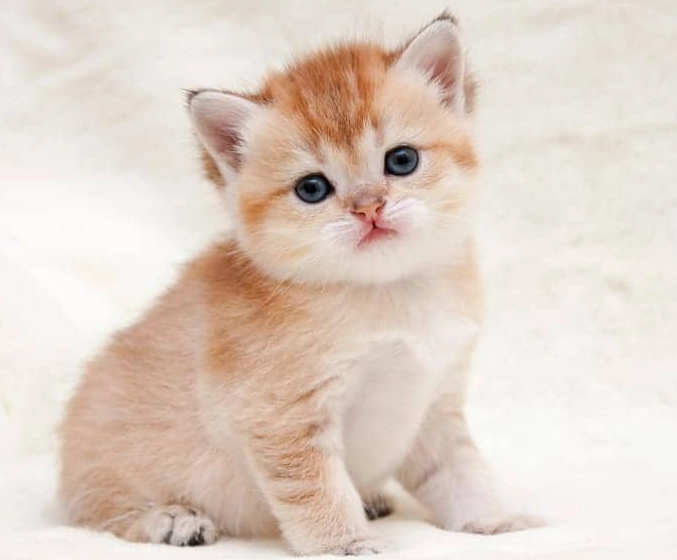
But here's a twist many first-time owners miss: they can be surprisingly playful well into adulthood. Not hyperactive, but in a deliberate, almost comical way. A crumpled paper ball or a feather wand will elicit a charmingly clumsy pounce. They're intelligent but not necessarily "trick" cats. Their intelligence manifests as stubbornness. If they don't want to move from your keyboard, good luck convincing them.
A common misconception is that all orange cats, due to the genetics linked to their color, share a specific "garfield-like" personality. The Cat Fanciers' Association breed standard emphasizes temperament, but color itself isn't a personality determinant. The breed's overall demeanor—easygoing, quiet, not overly clingy—is what you're signing up for, whether the coat is blue, cream, or orange.
They are fantastic with children and other pets precisely because of this steady nature. They rarely scratch or bite out of fear. They'll simply walk away if bothered.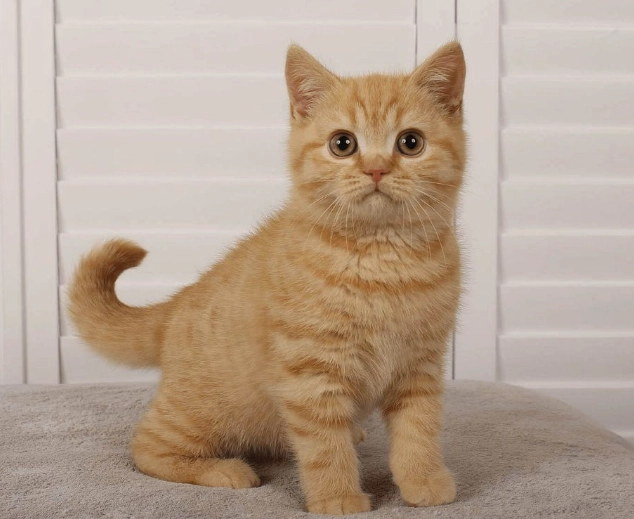
Health Considerations for a Long Life
This is the most critical section. British Shorthairs are generally robust, but they have breed-specific predispositions. Ignoring these is where owners get into trouble.
Hypertrophic Cardiomyopathy (HCM): This is the big one. It's a thickening of the heart muscle and the most common heart disease in cats. Reputable breeders screen their breeding stock for this via annual echocardiograms. You must ask for proof of recent, clear HCM scans for both parents. There's no guarantee, but it drastically reduces the risk. An article from Cornell Feline Health Center is a must-read for any prospective owner.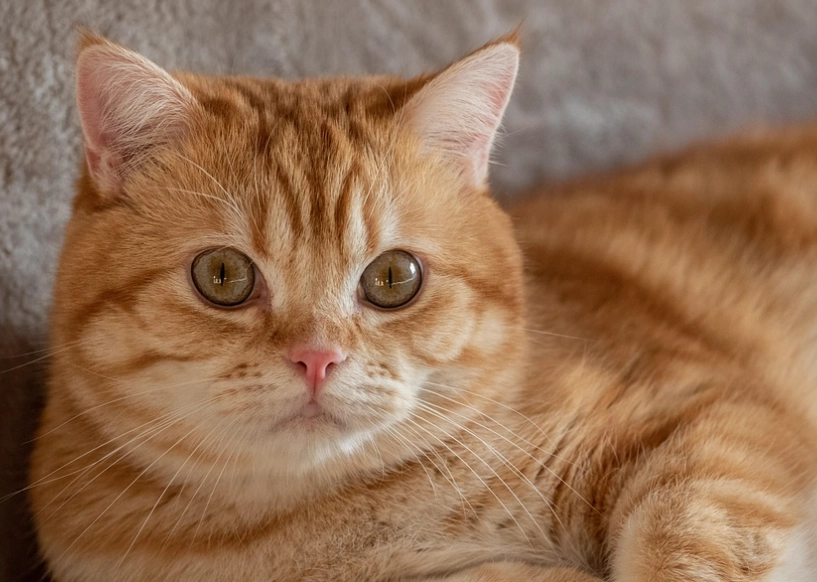
Polycystic Kidney Disease (PKD): Less common now due to widespread DNA testing, but still ask for proof the parents are PKD negative.
Weight Management: This isn't vanity; it's medicine. Their heavy-boned, cobby build makes it easy to miss weight gain. An obese British Shorthair is a high-risk candidate for diabetes, arthritis, and exacerbating heart issues. I measure Marmalade's food to the gram. Free-feeding is, in my opinion, the worst thing you can do for this breed.
A Less-Discussed Issue: Blood Type B. A surprisingly high percentage of British Shorthairs have Type B blood. Why does this matter? In a medical emergency requiring a transfusion, a Type A cat given Type B blood can have a fatal reaction. It's a good idea to have your vet determine your cat's blood type during a routine visit and keep that record handy.
Typical Health Milestones and Care
| Age/Stage | Key Health Focus | Action Item for Owner |
|---|---|---|
| Kitten (0-1 yr) | Vaccinations, Socialization, Diet Foundation | Establish scheduled feeding, introduce grooming, vet checks for heart murmur. |
| Adult (1-7 yrs) | Weight Maintenance, Dental Health, Annual Check-ups | Annual vet visit including weight check. Consider dental treats or brushing. Monitor activity levels. |
| Mature (8+ yrs) | Early Disease Detection, Joint Health, Kidney Function | Bi-annual vet visits. Discuss bloodwork and blood pressure monitoring. Provide easy-access litter boxes and beds. |
How to Choose a Healthy Orange British Shorthair Kitten
Finding a good breeder is 90% of the battle. Avoid online marketplaces where "orange British shorthair kittens for sale" pop up with too-good-to-be-true prices. You're not just buying a color; you're investing in health and temperament.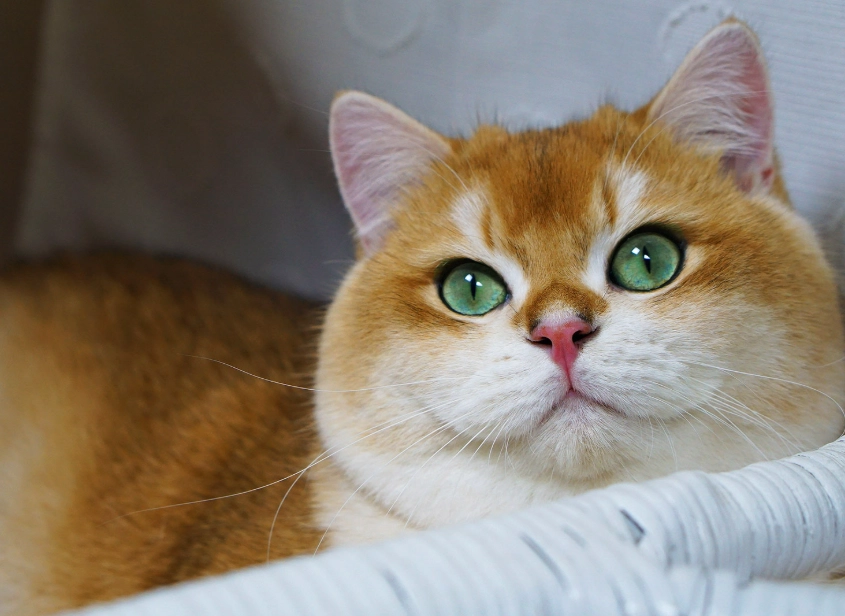
Visit in person. A responsible breeder will insist on it. Look for clean, spacious conditions where kittens are raised underfoot in a family home, not isolated in a shed. Meet the mother cat—she should be calm and healthy-looking.
Ask for paperwork. This is non-negotiable:
- Registration papers (TICA, CFA, GCCF).
- Health certificates for HCM (echo) and PKD (DNA) for both parents.
- A written health guarantee and a contract that includes a clause requiring you to return the cat to them if you can no longer keep it.
Kitten appearance. At 12-14 weeks (when they should leave), a healthy orange British Shorthair kitten should be round and sturdy, not skinny or pot-bellied. Eyes should be clear, nose clean, and they should be curious, not fearful or listless. Their coat will be dense but not yet fully plush.
Be prepared for a wait. Ethical breeders have waiting lists and don't have litters constantly available. The cost for a well-bred kitten from health-tested lines typically ranges from $1,500 to $3,000+.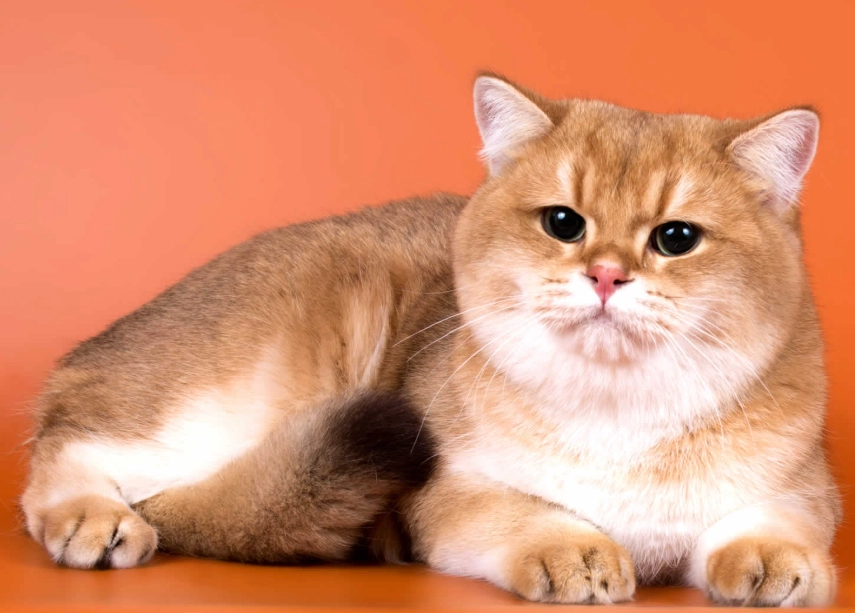
Your Daily Care & Grooming Guide
That magnificent coat is a commitment. It's dense, plush, and sheds—a lot. Seasonal sheds can be epic. The key is consistent grooming, not marathon sessions when the fur flies.
Grooming Tools You Actually Need:
- A wide-toothed metal comb: This is your primary tool. It glides through the dense fur to prevent mats, which can form close to the skin, especially under the arms.
- A deshedding tool: Like the Furminator for medium hair. Use this 1-2 times a week during non-shed seasons, and more often during sheds. It pulls out the loose undercoat.
- A rubber grooming brush ("zoom groom"): Great for a quick daily pass to remove surface loose hair and distribute skin oils. Most cats enjoy the massage-like feel.
I groom Marmalade for 5-10 minutes every other day. It's our routine. It keeps the hair off my furniture and prevents hairballs. Baths are rarely needed unless they get into something messy.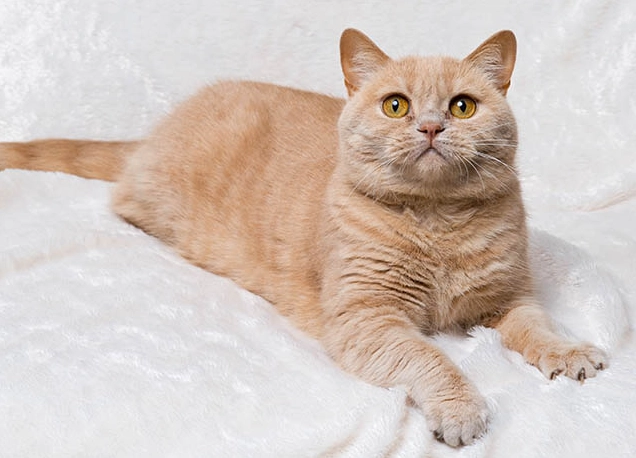
Beyond the Brush:
Their round faces mean their eyes can be a bit weepy. A soft, damp cloth wiped gently from the inner corner outward takes care of it. Check their ears weekly for wax. And because they can be sedentary, claw trimming is essential to prevent them from growing into their pads. Get them used to it as kittens.
Feeding: High-quality wet food is ideal for moisture content. If you feed dry, ensure they drink plenty of water (a cat fountain can help). Portion control is everything. Your vet can help you calculate the exact daily calories your cat needs based on their ideal weight, not their current weight.
Your Questions, Answered
So, is an orange British Shorthair right for you? If you want a low-drama, affectionate but independent companion whose main hobbies are napping in sunbeams and being gorgeous, absolutely. Just go in with your eyes open. Do the breeder homework, commit to the grooming and diet, and you'll be rewarded with a wonderfully steady, loving presence in your home for many, many years. They're not just a pretty orange face.