Let's cut to the chase. You're not just looking at pictures of a stunning, jet-black cat with a luxurious triple coat. You're wondering if a Siberian black cat could be your next family member. I've lived with Siberians for over a decade, and I can tell you, the hype about their personality is real, but the reality of their care is often glossed over. This isn't just another breed profile. This is a straight-talk guide from someone who's cleaned the fur, dealt with the "zoomies," and navigated the often-misunderstood world of "hypoallergenic" cats. By the end, you'll know exactly what you're signing up for.
In This Article
What Exactly Is a Siberian Black Cat?
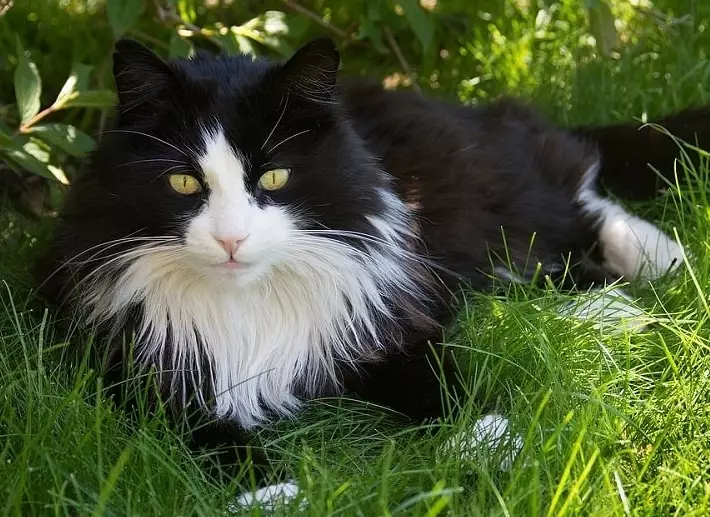
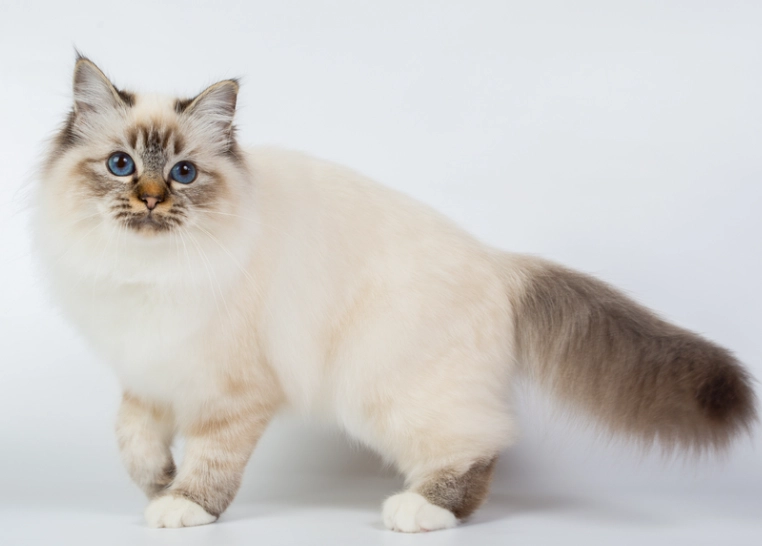
First, a clarification. "Siberian black cat" isn't a separate breed. It's a Siberian Forest Cat—a natural, ancient breed from Russia—that happens to have a solid black coat. The color is just the stunning wrapping paper. What's inside is a robust, muscular cat built for surviving harsh climates. Think of a small, agile bear. They're slow to mature, often reaching full size around 5 years old, with males weighing 15-20 pounds and females 10-15 pounds.
The black coat on a Siberian is something special. In sunlight, you might see faint, ghostly tabby markings (called "ghost striping") or a rusty reddish undertone. This isn't a defect; it's a quirk of the genetics of black pigment. Their most famous feature is the triple coat: a dense undercoat for insulation, a middle "awn" hair layer, and long, water-resistant guard hairs on top. This coat is the source of their majesty and your grooming commitment.
The Siberian Cat Personality: More Than Just Fluff
If you want an aloof ornament, look elsewhere. Siberians are famously dog-like in their loyalty. They greet you at the door, follow you from room to room, and often enjoy a game of fetch. Their temperament is typically steady and confident, which makes them fantastic with respectful children and other pets.
But here's the nuance most blogs miss: that confidence can border on fearless curiosity. I've had a Siberian learn to open cabinet doors. Another was obsessed with watching the toilet flush. You need to provide vertical space—cat trees are non-negotiable—and mental stimulation. Puzzle feeders and regular play sessions are crucial to prevent a smart, bored Siberian from redesigning your home decor.
Their voice is another signature trait. It's not a loud meow, but a charming range of chirps, trills, and soft conversational sounds. They'll "talk" to you about their day.
Are They a Good Fit for Your Home?
Let's break it down quickly. A Siberian is a great fit if you want an interactive, affectionate companion and don't mind daily grooming during shedding seasons. Think twice if you're rarely home, desire a completely low-maintenance pet, or have severe allergies (more on that below). They thrive in homes where they are part of the action.
How to Groom a Siberian Cat's Triple Coat
This is where many new owners get a shock. That gorgeous coat doesn't maintain itself. Neglect leads to mats, especially under the arms, behind the ears, and in the "pants" (the fluffy hindquarters). Mats are painful and require shaving.
Here's the grooming routine that actually works, learned through trial and error:
- Weekly Brushing (Non-Negotiable): Use a stainless steel comb to reach the undercoat, followed by a slicker brush for the topcoat. Don't just skim the surface. Go layer by layer.
- Seasonal Shedding (The "Blow"): Twice a year, usually spring and fall, they shed their undercoat intensely. During this 2-4 week period, you'll need to brush every other day, or even daily. A de-shedding tool like an undercoat rake is a lifesaver. You will collect enough fur to build a second cat. Accept it.
- Bathing (Yes, Really): Siberians, due to their water-resistant coat, can actually tolerate baths better than most cats. A bath every 4-6 months with a cat-specific shampoo helps manage oils and loose hair. Start young to get them accustomed.
The biggest mistake I see? People using only a slicker brush. It beautifies the top but leaves the dense undercoat tangled. The comb is your primary tool.
The Hypoallergenic Question: Myth and Reality
This is the #1 reason people seek out Siberians. The science, as referenced by resources like the ASPCA, indicates most cat allergies are to the Fel d 1 protein in saliva, not fur. Siberians are reported to produce less of this protein. Key word: reported. There is no truly hypoallergenic cat.
Here's the practical truth breeders won't always emphasize:
1. Individual Variation is Huge. One Siberian may trigger no reaction, while another from the same litter might. The only reliable test is spending 1-2 hours in a breeder's home with the specific cats. 2. The Fur is a Secondary Carrier. Even with lower Fel d 1, their massive amount of fur can trap other allergens (dust, pollen) and spread saliva as they groom. So, you might react to the volume of allergens distributed, even if the concentration is lower. 3. You Must Manage the Environment. If you have allergies, getting a Siberian isn't a cure-all. You'll still need HEPA air filters, frequent vacuuming with a HEPA-filter vacuum, and possibly washing bedding regularly.
Don't get a Siberian solely for hypoallergenic hopes. Get one because you love the breed, and consider the potential allergy benefit a possible bonus.
Is a Siberian Black Cat Healthy?
As a natural breed, Siberians are generally hearty. However, no breed is immune to genetic issues. Responsible breeders test for these. You must ask for proof.
| Health Condition | What It Is | What to Ask a Breeder |
|---|---|---|
| Hypertrophic Cardiomyopathy (HCM) | A heart muscle thickening disease, common in many cat breeds. | Do you screen your breeding cats annually via echocardiogram? Can I see the vet reports for the parents (not just "they are scanned")? |
| Polycystic Kidney Disease (PKD) | Formation of cysts in the kidneys. Less common in Siberians than Persians, but screening is still advised. | Are the parents DNA tested negative for the PKD1 gene mutation? Ask for the test certificate. |
| PK Deficiency | A metabolic disorder causing anemia. A simple DNA test exists. | Are the parents DNA tested negative for PK Def? This is a basic test any ethical breeder does. |
With proper care and from a health-tested lineage, a Siberian can live a robust 12-15 years or more. Their solid black coat has no specific health links—sunburn isn't a major concern for indoor cats.
Finding Your Siberian Kitten: A Realistic Roadmap
Finding a good breeder is the most critical step. Avoid pet stores and websites that have kittens "available now." A reputable breeder will have a waitlist.
- Start with Registries: Look at breeder directories from TICA (The International Cat Association) or CFA (The Cat Fanciers' Association). This filters out obvious backyard operations.
- Vet the Website & Social Media: Do they show the cats' living conditions (in the home, not cages)? Do they discuss health testing specifically? Are kittens raised underfoot?
- The Interview Goes Both Ways: Expect the breeder to grill you about your home, lifestyle, and plans. They should. You should ask them every health question from the table above.
- Kitten Cost & Contract: A well-bred Siberian kitten from health-tested lines typically costs between $1,200 and $2,500. The contract should guarantee health, require spay/neuter, and have a clause to return the cat to them if you can't keep it—ever.
Be prepared to wait 6 months to a year. Good things come to those who don't rush into buying a living creature from the first online ad.
Your Siberian Cat Questions, Answered
So, is a Siberian black cat for you? If you're captivated by a loyal, playful, and conversational companion, and you view the grooming not as a chore but as a bonding ritual, then this magnificent breed might just be your perfect shadow. Do your homework, find that ethical breeder, and get ready for a decade or more of fluffy, chirping love.