So you're asking, "How much is a Bengal cat?" Let's cut to the chase. You've probably seen numbers all over the map—$500 on a sketchy website, $3,500 from a fancy cattery. The short, messy truth is a pet-quality Bengal kitten from a responsible breeder will typically cost between $1,500 and $3,000. But that number is almost meaningless without context.
That initial price tag is just the entry fee. It's like asking how much a sports car costs without factoring in insurance, premium fuel, and maintenance. I've been around Bengals and their breeders for years, and the biggest mistake I see is people fixating on the kitten price alone. They get shocked later by the real cost of ownership or, worse, by massive vet bills from a poorly-bred cat.
This guide won't just list prices. We'll tear apart what goes into them, expose where "cheap" kittens come from, and lay out every hidden cost you need to budget for. By the end, you'll know exactly what you're paying for and how to avoid costly mistakes.
What You’ll Find in This Guide
The Bengal Cat Price Range: From Pet to Show Stopper
Let's put some structure to the chaos. Breeders generally categorize kittens into three tiers, which directly correlate with price and purpose. Think of it like buying a car: you have the reliable sedan, the upgraded trim, and the luxury model.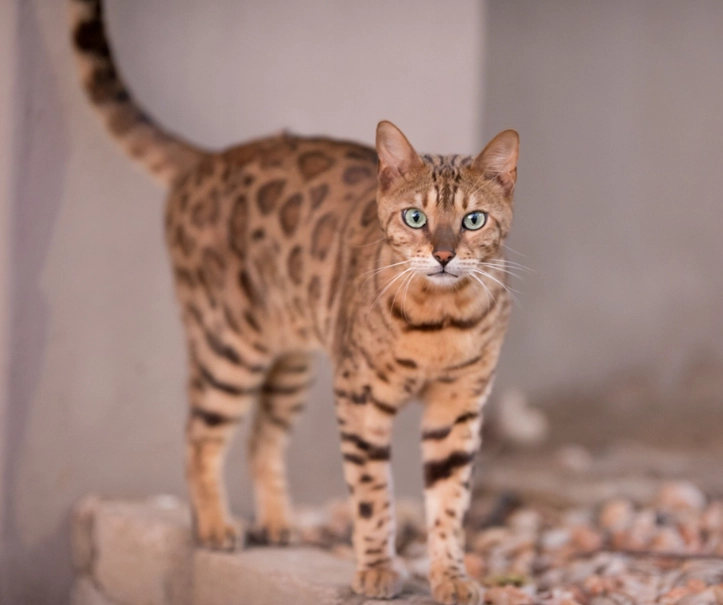
| Kitten Tier | Typical Price Range | Best For | What You're Paying For |
|---|---|---|---|
| Pet Quality | $1,500 - $2,500 | Companionship, family pet | A healthy, socialized, genetically tested kitten with stunning looks but perhaps minor "flaws" (e.g., slightly off-standard coat pattern, mismatched paw pads) that don't affect health or personality. Must be spayed/neutered. |
| Breeding Quality | $2,500 - $4,000+ | Future breeders | A kitten that meets the breed standard exceptionally well, with outstanding conformation, coat contrast, and proven, healthy bloodlines. Comes with breeding rights and extensive pedigree paperwork. |
| Show Quality | $3,000 - $5,000+ | Cat show competitors | The cream of the litter. Near-perfect adherence to breed standards, with championship potential. Often from top-winning bloodlines. Price reflects both the kitten's quality and the breeder's reputation. |
Notice the floor? Reputable breeders rarely, if ever, charge under $1,500 for a pet kitten. If you see a price of $800, your internal alarm should blare. That cost simply doesn't cover what ethical breeding requires.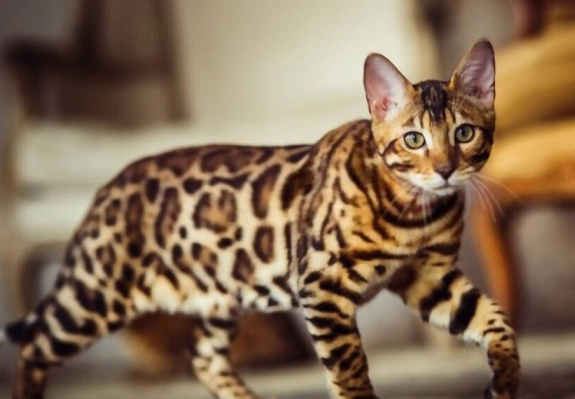
A quick note on "generations" (F1, F2, SBT): You might see eye-watering prices like $10,000 for an "F1" Bengal. This is a cat with a wild Asian Leopard Cat parent. They are not typical pets, often require special permits, and their price reflects extreme rarity and niche demand. For 99.9% of owners, an SBT (Stud Book Tradition) Bengal, which is at least four generations removed from the wild ancestor, is the ideal—and legally simpler—choice. The prices in the table above are for SBT Bengals.
What Actually Drives a Bengal Cat's Price Up or Down?
Why does one kitten cost $1,800 and its sibling $2,400? It's not arbitrary. Here’s what you’re really funding.
Coat Color and Pattern: The Rosette Premium
All Bengals are spotted, but not all spots are equal. The highly sought-after rosetted pattern—spots that form a donut or paw-print shape with a darker outline—commands a premium over simple spotted coats. Even more rare and expensive are marble patterns with exceptional, swirling contrast. Colors also play a role. The classic brown spotted/rosetted is most common, while silver, charcoal, and the stunning blue (extremely rare) can increase the price.
I remember a breeder showing me two kittens from the same litter. One had perfect, crisp rosettes. The other had lovely but more basic spots. The price difference was about $600. You're paying for artistry.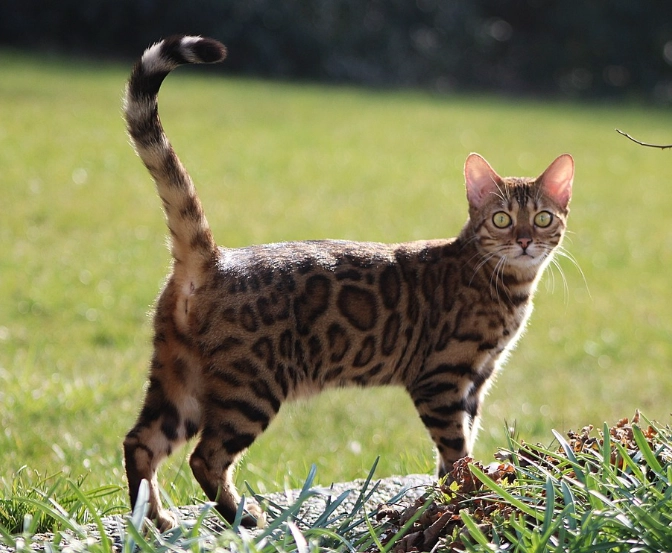
Bloodline and Pedigree: The Family Name
Kittens from champion bloodlines, where the parents and grandparents have titles from associations like The International Cat Association (TICA), cost more. It's a bet on proven genetics for health, temperament, and beauty. A kitten from unknown parents is a genetic mystery, no matter how cute.
Breeder's Reputation and Overhead
This is huge. A reputable breeder's costs are staggering: genetic health testing for parents (PKDef, PRA-b, etc.), high-quality raw or premium food, vet visits for vaccines and checkups, microchipping, early spay/neuter, and countless hours of socialization. They also contribute to breed clubs and cat registries. A backyard breeder skipping all this can sell for less, but you inherit the risk.
Geography and Demand
In major coastal cities or areas with few Bengal breeders, prices trend higher. In the Midwest where there might be more competition, you could find slightly lower prices, but the national baseline for quality remains firm.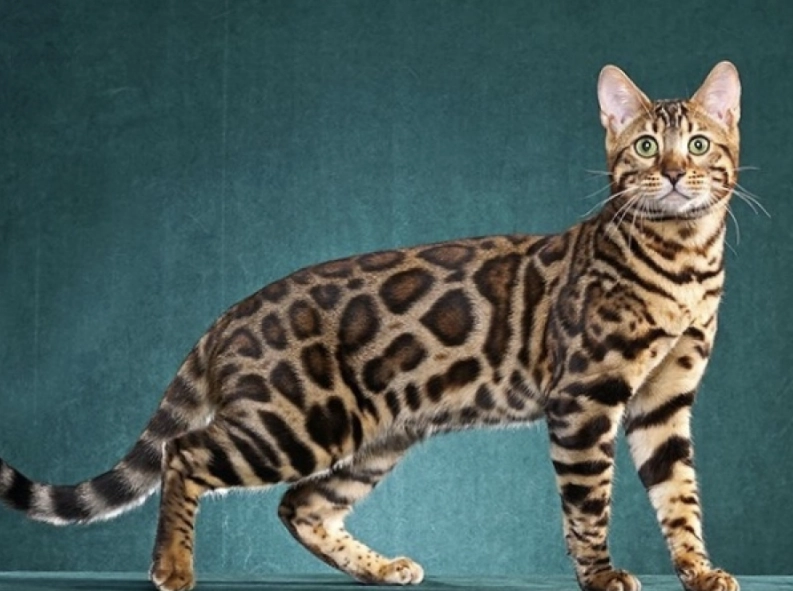
Where You Buy Drastically Changes What You Pay (And Get)
Let's be brutally honest about your options.
Pet Stores or Online Classifieds (e.g., Craigslist): $500 - $1,200
This is the danger zone. The low price is a trap. These kittens almost certainly come from kitten mills or backyard breeders with zero health testing, questionable socialization, and poor living conditions. You're buying a genetic lottery ticket with potentially tragic consequences. The "savings" will vanish at the first vet visit for a preventable issue.
Hobbyist/Backyard Breeders: $800 - $1,500
A step up, but risky. They may love their cats but often lack deep knowledge, perform incomplete health screening, and don't provide robust contracts or guarantees. It's a roll of the dice on long-term health.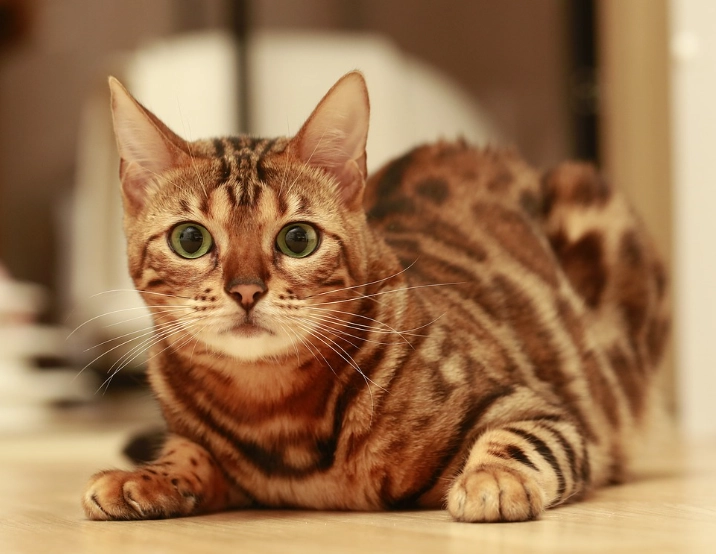
Reputable, Ethical Breeders: $1,500 - $3,000+
This is the standard you should target. The price reflects all the responsible costs mentioned. You get a detailed contract, health guarantee (often for 2+ years), veterinary records, TICA registration, lifetime breeder support, and most importantly, peace of mind. You're not just buying a cat; you're investing in its future health and your own sanity.
Rescue or Adoption: $100 - $400
An often-overlooked option. Adult Bengals sometimes end up in rescues because owners underestimated their energy. Adoption fees cover vet care and support the rescue. You get a known personality for a fraction of the cost, giving a great cat a second home. Check rescues like Bengal Cat Rescue or breed-specific sections in local shelters.
The Hidden Annual Costs Everyone Forgets to Budget For
If the purchase price makes you gulp, sit down for this part. The first year is the most expensive. Here’s a realistic breakdown.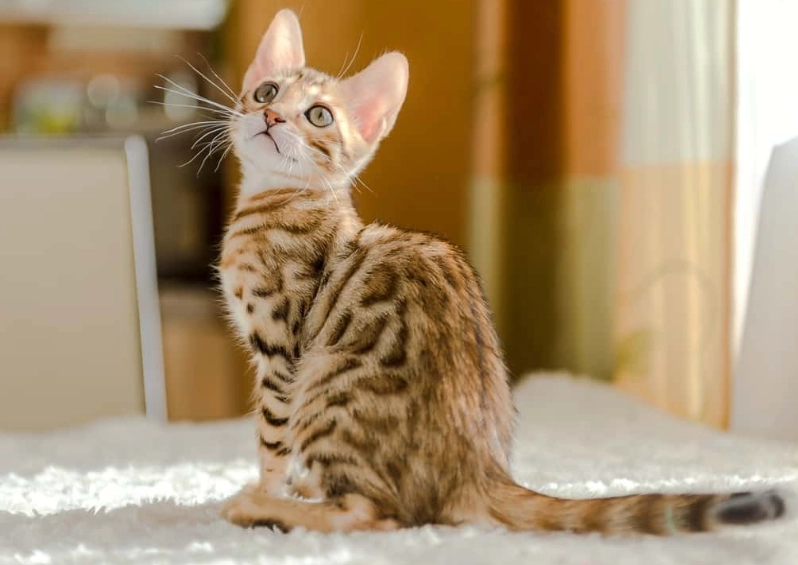
Year One Setup & Ongoing Costs (Estimated)
- Initial Supplies: Premium cat tree ($200+), scratching posts, interactive toys, puzzle feeders, carrier, bowls, litter boxes - $400-$700
- Premium Food (Wet & Dry): Bengals do best on high-protein, grain-free diets. - $600-$1,200/year
- Annual Vet Care: Wellness exams, vaccines, preventatives. - $200-$400/year
- Pet Insurance: Highly recommended for a purebred. - $300-$600/year
- Litter: You'll go through more with a busy Bengal. - $250-$400/year
- Miscellaneous: Replacement toys, treats, potential cat-proofing (secure screens!), enzymatic cleaners. - $200-$300/year
Total First-Year Estimate (after purchase): $2,000 - $3,500+
Subsequent Years: $1,200 - $2,500/year
See what I mean? The kitten is just the start. Skipping pet insurance is a common, painful mistake. One emergency surgery for an intestinal blockage (they eat weird things) can cost $5,000.
How to Find a Breeder Who's Worth the Price
This is how you ensure your investment is sound. Don't just browse websites; investigate.
1. Demand Transparency. A good breeder will proudly share the genetic test results (from labs like UC Davis) of the parent cats. Not just "they're tested," but the actual reports. Ask about the health guarantee—it should be at least two years against genetic conditions.
2. Expect to Be Vetted. They should interview you. They'll ask about your home, other pets, lifestyle. If they don't care who gets their kitten, that's a red flag. They want their cats in forever homes.
3. Visit or Video Call. See where the kittens are raised. Are they in the home, socialized with the family? Or in isolated cages? A clean, open environment is key.
4. Check Their Community Ties. Are they members of TICA or the CFA? Do they attend shows? This connection to the broader breeding community indicates a commitment to standards.
5. Talk to Past Buyers. A reputable breeder will have references. Reach out and ask about their experience and the health of their cat.
The process takes time. You might be on a waitlist. That's normal. Good breeders don't have litters constantly available.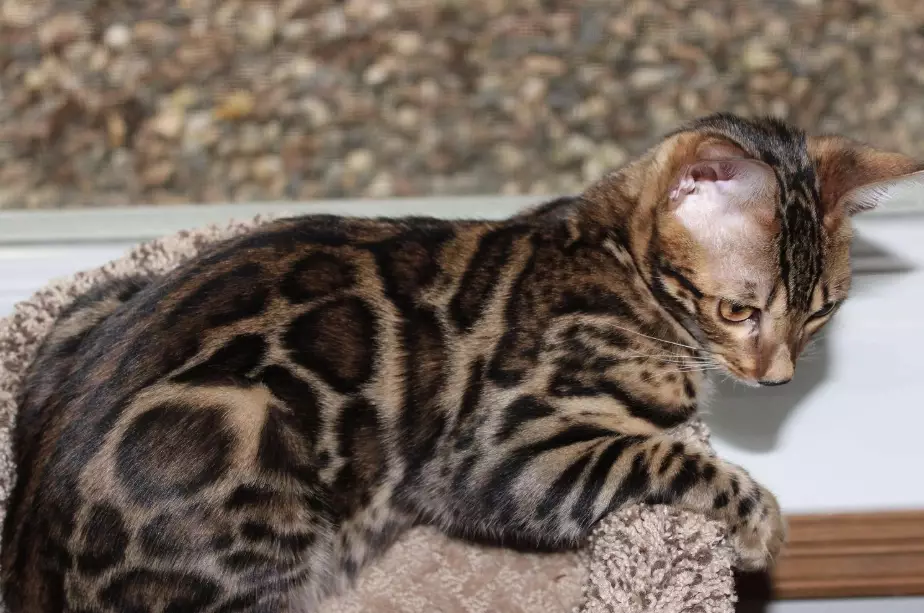
Your Bengal Cat Price Questions, Answered
So, how much is a Bengal cat? The full answer is a kitten price of $1,500-$3,000 from the right source, plus a lifelong commitment of $1,200+ a year for its care. It's a significant investment. But when you see that healthy, confident, glittering mini-leopard leap into your life—and your heart—without the shadow of preventable health worries, you'll understand what that price truly bought you. It bought you a masterpiece, not a mystery.