What You'll Learn in This Guide
So, you're wondering what breed of cat is white? Maybe you saw a stunning snowy feline online or at a friend's house, and now you're hooked. I get it—there's something magical about a pure white cat. But here's the thing: white cats aren't just one breed; they come in many shapes and sizes, each with its own quirks and needs. In this guide, I'll walk you through the most popular white cat breeds, based on my years of experience volunteering at shelters and chatting with breeders. We'll cover everything from grooming headaches to health surprises, so you can make an informed decision. Let's dive in.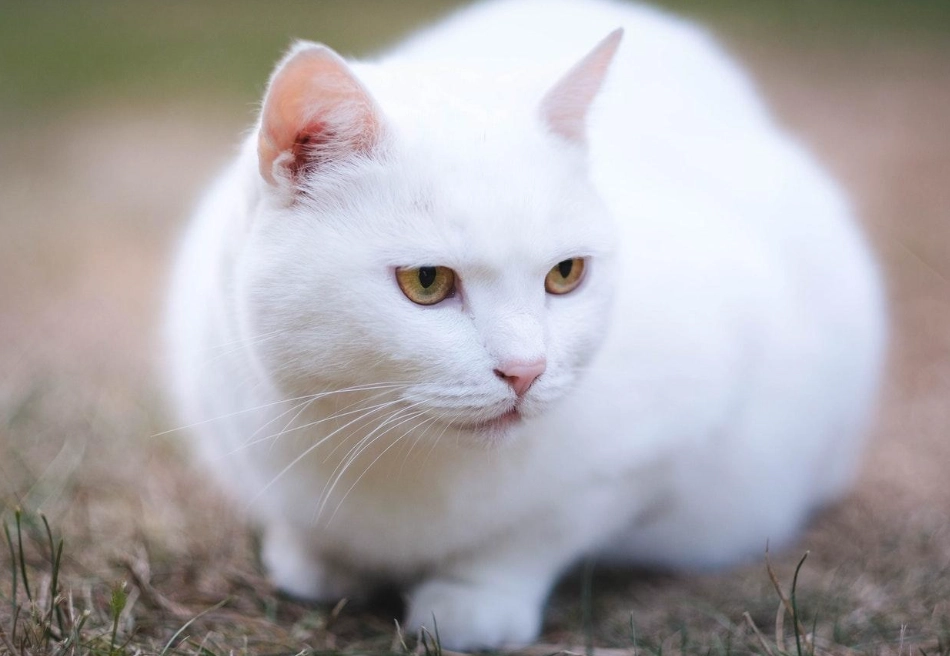
Top White Cat Breeds and What Makes Them Unique
When people ask "what breed of cat is white?", they often assume it's a single type. Nope. White fur can appear in multiple breeds, thanks to genetics. Some breeds are known for their all-white varieties, while others might have white as one of many color options. I've put together a table below to break down the key players—this isn't just a random list; it's based on data from organizations like The International Cat Association (TICA) and my own observations.
| Breed | Key Characteristics | Grooming Level | Health Considerations |
|---|---|---|---|
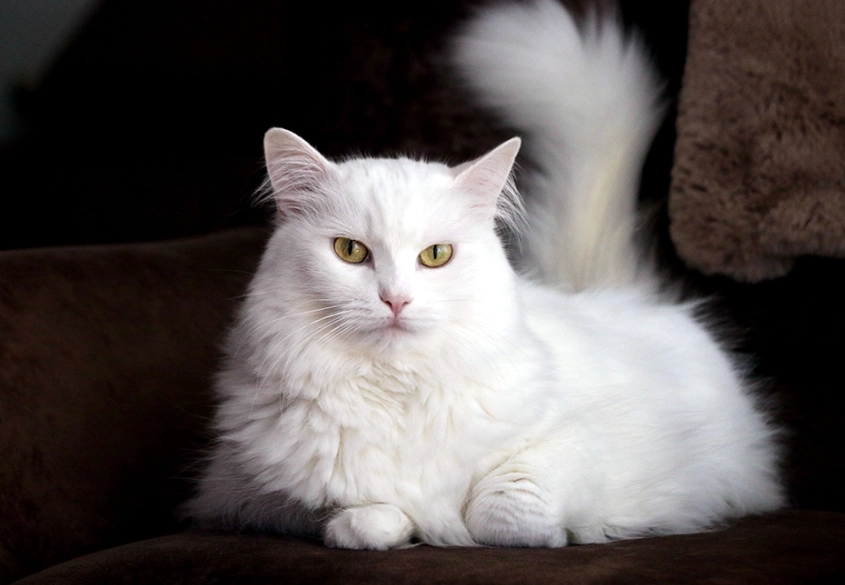
| Turkish Angora | Long, silky coat; playful and intelligent; often has blue or odd eyes. | High (daily brushing needed) | Potential for deafness linked to blue eyes; generally healthy. |
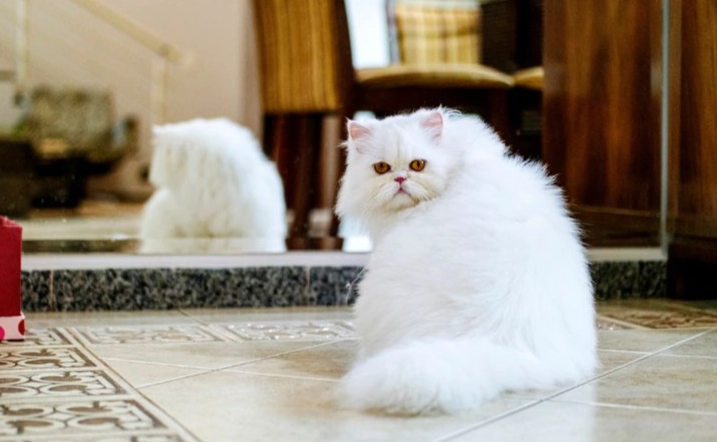
| Persian | Fluffy, round face; calm and affectionate; requires frequent grooming. | Very high (daily to prevent mats) | Prone to breathing issues and eye discharge; regular vet checks essential. |
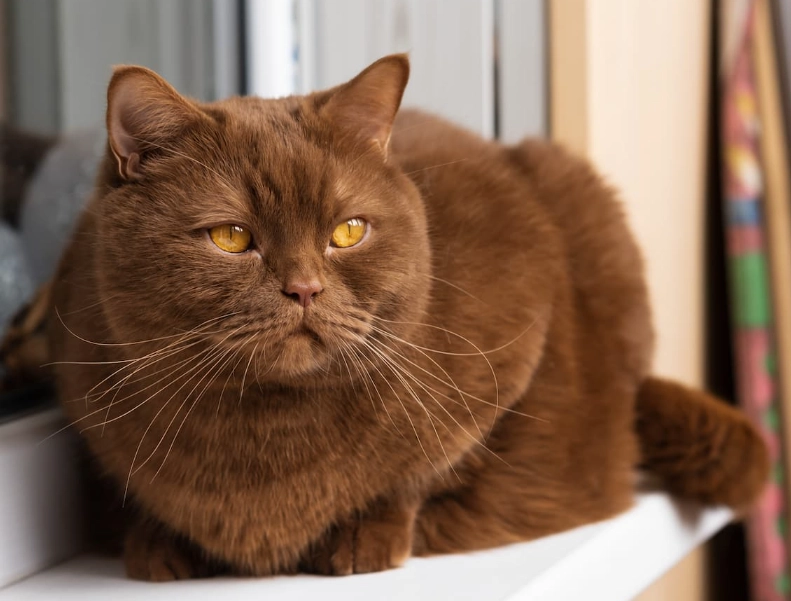
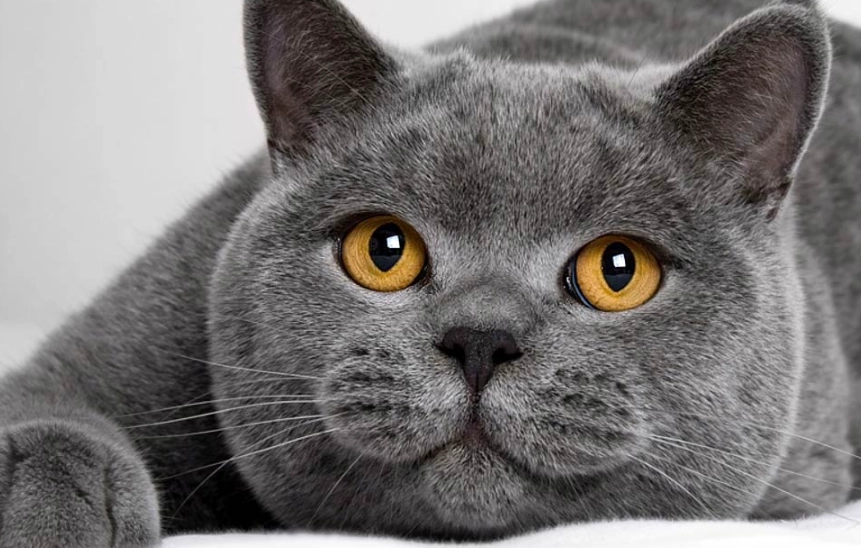
| British Shorthair | Sturdy build; dense coat; easygoing and great with families. | Low to moderate (brush 2-3 times a week) | Generally robust; watch for obesity due to low activity. |
| Siamese (White Pointed) | Slender body; vocal and social; white with color points on ears, face, paws. | Low (short coat, minimal shedding) | May have respiratory issues; sensitive to cold. |
| Domestic Shorthair | Mixed breed; versatile and adaptive; white coats common in rescues. | Low (occasional brushing) | Varies widely; generally healthy but get a vet screening. |
Now, let's get into the details. I remember meeting a Turkish Angora named Luna at a cat show—she was all energy and fluff, but her owner confessed that keeping her white coat spotless was a part-time job. That's a common theme with white cats: they show dirt easily, but it's not just about looks.
Turkish Angora: The Elegant Snow Queen
Turkish Angoras are often the poster child for white cats. Originating from Turkey, they have a long, fine coat that feels like silk. But here's a non-consensus point: many folks think they're high-maintenance divas, but in reality, they're quite playful and can be trained to enjoy grooming sessions. I've seen owners use positive reinforcement with treats, and it works wonders. However, if you're not up for daily brushing, this breed might not be for you. Their white fur can mat quickly, especially behind the ears.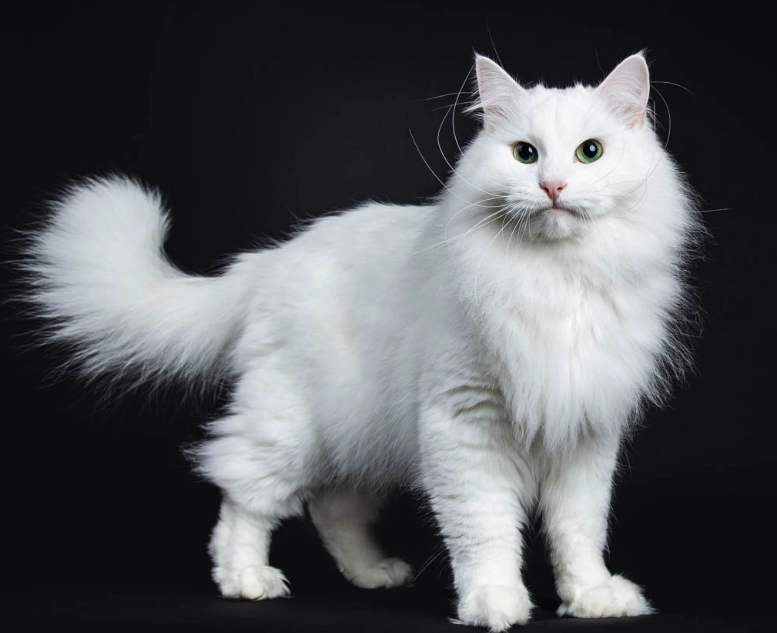
Persian: The Fluffy Lap Cat
Persians are another classic. Their white coats are thick and luxurious, but that beauty comes at a cost. I've had friends with white Persians who struggled with tear stains—those reddish-brown marks under the eyes. It's not just cosmetic; it can indicate eye issues. A vet once told me that using a damp cloth daily and adjusting diet can help, but many owners overlook this until it's a big problem. Persians are chill cats, perfect for quiet homes, but their grooming needs are no joke.
British Shorthair: The Sturdy Companion
British Shorthairs are like the teddy bears of the cat world. Their white coats are dense and plush, but they shed less than you'd think. I adopted a white British Shorthair mix years ago, and he was the easiest cat I've ever had—low grooming, loves kids, and barely any health issues. But a mistake I made early on was not brushing him enough; his coat got a bit oily, attracting dirt. Lesson learned: even low-maintenance breeds need some care.
How to Groom and Care for a White Cat: A Step-by-Step Approach
Grooming a white cat isn't just about keeping them pretty; it's about health. Dirt and oils can build up, leading to skin infections. Let me break it down based on what actually works, not just generic advice.
First, invest in the right tools. A stainless-steel comb for long-haired breeds, a rubber brush for short-haired ones. I learned this from a groomer who works with show cats—she swears by using a bit of cornstarch on oily spots to absorb grease without chemicals. For daily maintenance, wipe your cat's face with a soft, damp cloth to prevent tear stains. It takes two minutes, but most people skip it.
Bathing? It's a debate. Some say white cats need regular baths, but over-bathing can strip natural oils. I bathe my cat only when he gets into something messy, using a mild, cat-specific shampoo. Always dry thoroughly to avoid chills. And here's a tip many miss: trim the fur around their rear end to prevent staining from litter or accidents. It sounds gross, but it's a game-changer.
Diet plays a role too. Cheap food can cause tear stains and dull coats. Opt for high-quality, grain-free options with real meat. I switched my cat to a better diet, and his white coat became brighter within weeks. It's an extra cost, but worth it.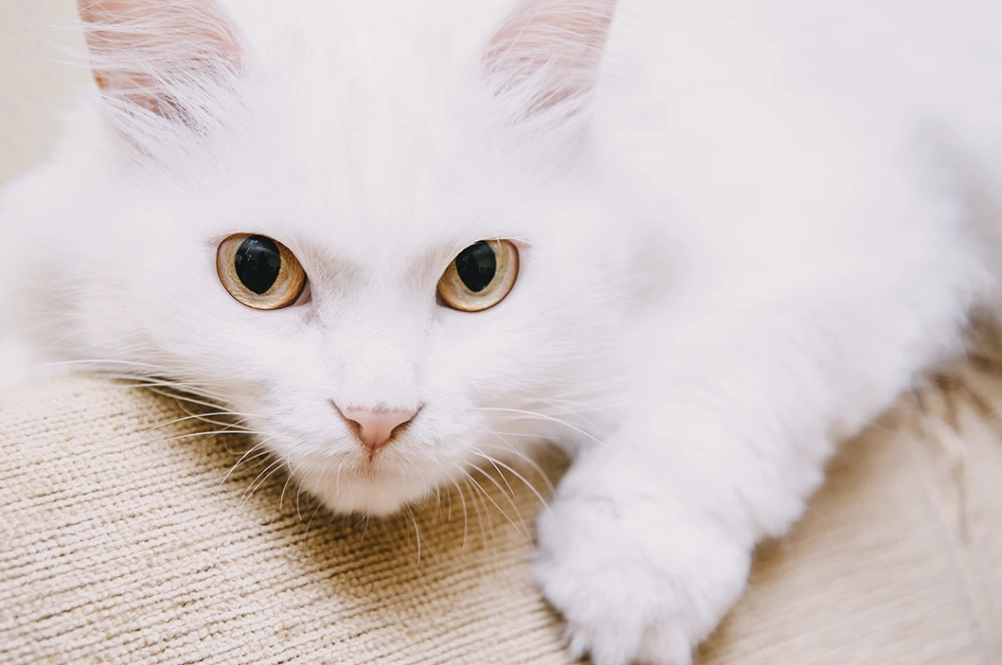
Debunking Common Myths About White Cats
There's a lot of misinformation out there. Let's tackle the big ones head-on.
Myth 1: All white cats are deaf. This is probably the most persistent myth. Deafness in white cats is associated with the dominant white gene and blue eyes, but not all white cats have blue eyes. According to studies cited by organizations like the Cornell Feline Health Center, only about 17-22% of white cats with non-blue eyes are deaf. I've met plenty of white cats with perfect hearing—it's not a guarantee, so don't assume.
Myth 2: White cats are more prone to illness. Not necessarily. Health issues are breed-specific, not color-specific. For example, Persians have breathing problems due to their flat faces, not because they're white. However, white cats are more susceptible to sunburn, which can lead to skin cancer. I've seen cases where owners didn't realize their cat's ears were getting sunburned until it was too late. Limit sun exposure, especially in summer.
Myth 3: White cats are harder to train. Nonsense. Intelligence varies by breed, not color. Turkish Angoras are smart and can learn tricks, while British Shorthairs might be more laid-back. It's about personality, not pigment.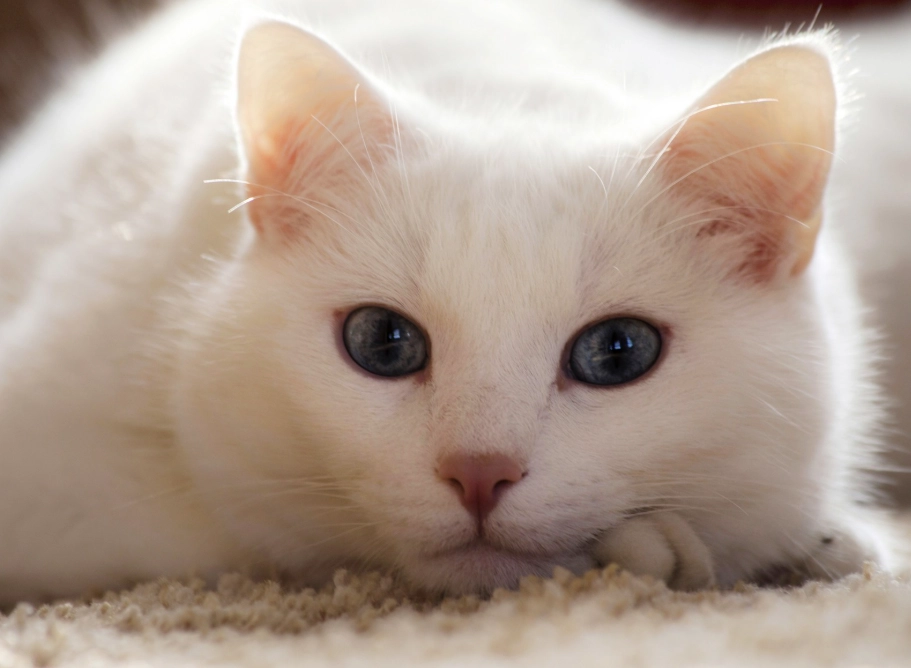
Choosing the Right White Cat for Your Lifestyle
Picking a white cat isn't just about looks; it's about fit. Let's run through some scenarios.
If you have a busy family with kids, go for a British Shorthair or a Domestic Shorthair. They're tolerant and don't mind noise. I've seen families adopt white rescues and thrive—just make sure to socialize them early.
For a quiet, single-person household, a Persian or Turkish Angora could be perfect. They crave attention and grooming time. But be honest: if you travel a lot, a high-maintenance breed might suffer. Consider a cat sitter or automated feeders.
Adoption is a great route. Shelters often have white cats needing homes. I volunteered at one where a white Domestic Shorthair named Snowy was overlooked for months because people thought she'd be too much work. She wasn't—she just needed a brush now and then. Visit local shelters or check websites like Petfinder for white cats near you.
Budget matters too. Purebred white cats from breeders can cost $500 to $2000, depending on the breed. Adoption fees are usually $50 to $150. Factor in ongoing costs: grooming supplies, vet visits (white cats might need more skin checks), and premium food.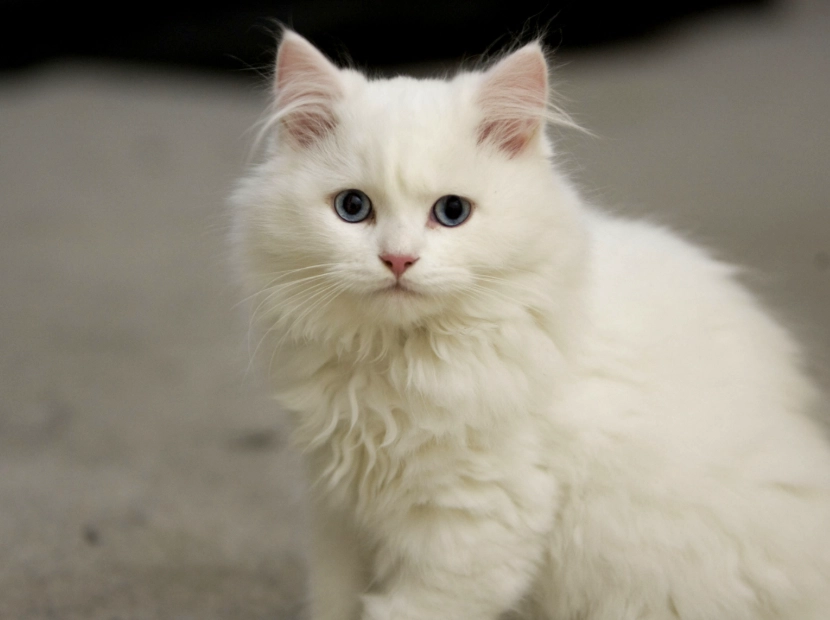
Frequently Asked Questions Answered by Experts
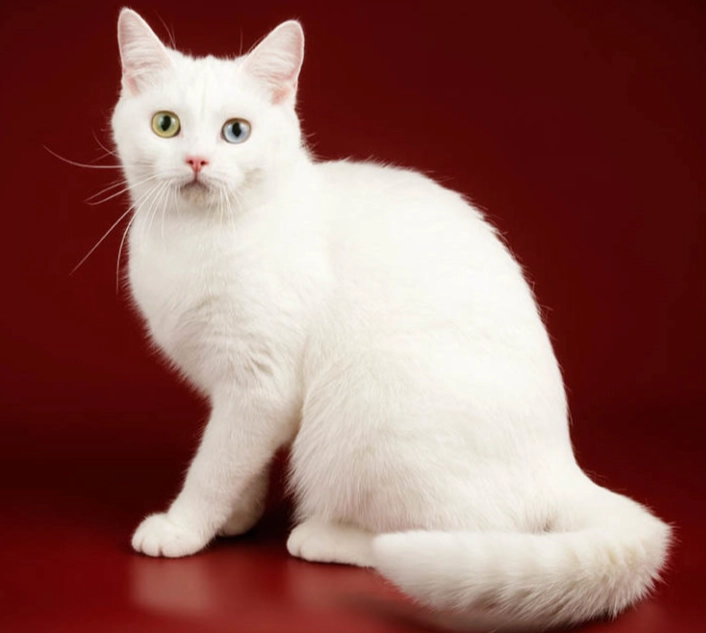 Wrapping up, the question "what breed of cat is white?" opens up a world of options. From the elegant Turkish Angora to the sturdy British Shorthair, each breed brings something unique. Remember, white cats aren't just about aesthetics—they require commitment, especially in grooming and health monitoring. Do your research, visit breeders or shelters, and choose based on your lifestyle. If you're ready for the challenge, a white cat can be a joyful addition to your home. Feel free to reach out with questions; I'm always happy to share more insights from my journey with these snowy felines.